
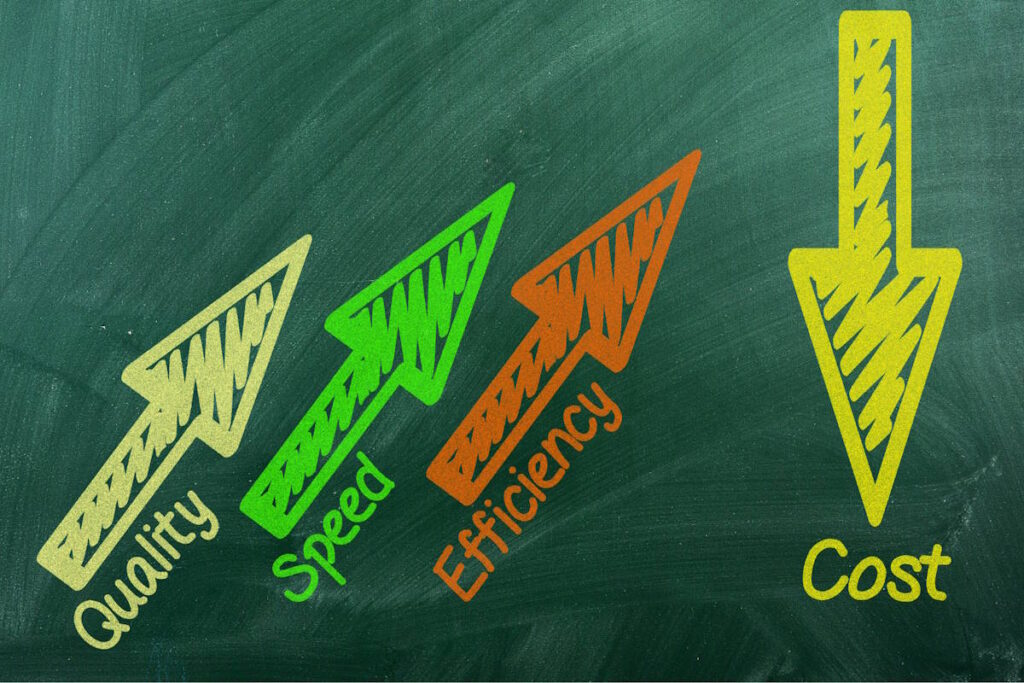
How to Reduce Operating Costs Without Compromising Quality
Operating costs are a significant concern for businesses of all sizes. Whether you run a small startup or a large corporation, managing expenses efficiently can lead to better profitability, sustainability, and growth. However, many businesses struggle with the dilemma of cutting costs while maintaining or even improving the quality of their products or services. The good news is that it’s possible to reduce operating costs without compromising quality.
Let’s explore strategies for cutting operating costs without diminishing quality.
- Analyze Your Current Spending
The first step in reducing operating costs is understanding where your money is going. To do this, conduct a thorough analysis of your current spending. Break down your expenses into categories such as labor, materials, overhead, marketing, and technology. This detailed breakdown will help you identify areas where cost reduction is possible without affecting your product or service quality.
For example, if you find that your business spends a lot on packaging, you may be able to explore cheaper alternatives or more efficient methods. If your labor costs are high, it may indicate that you need to streamline processes or automate repetitive tasks to increase efficiency.
- Embrace Automation and Technology
One of the most effective ways to reduce costs while maintaining quality is through automation and the adoption of new technology. Automating manual tasks saves time, reduces human error, and frees up your employees for more valuable work. This can apply to a variety of business functions, including inventory management, customer relationship management (CRM), and accounting.
For instance, using inventory management software can help you track stock levels more accurately, reducing the chances of overordering or running out of products. Similarly, implementing project management tools can streamline communication and ensure that tasks are completed on time, thus improving productivity and reducing the need for costly overtime.
Moreover, investing in technology may lead to long-term savings. Cloud-based systems, for example, can reduce IT maintenance costs by eliminating the need for on-site servers and infrastructure.
- Optimize Your Supply Chain
Your supply chain is another area where significant cost-saving opportunities lie. By building stronger relationships with suppliers, you may be able to negotiate better deals and reduce costs. However, it’s important to focus on maintaining high-quality standards when selecting suppliers. Cutting costs by choosing lower-quality suppliers could harm your reputation and damage your product’s quality.
Consider consolidating orders to reduce shipping costs and taking advantage of bulk purchasing discounts. Also, regularly assess your suppliers to ensure that you are getting the best deal possible without sacrificing quality. Engaging in strategic sourcing – that is, sourcing from suppliers that offer both cost savings and high quality – will help you find the right balance.
- Focus on Employee Training and Productivity
One of the most effective ways to reduce operating costs is by enhancing the productivity of your workforce. When employees are properly trained, they work more efficiently, make fewer mistakes, and require less supervision, which ultimately saves you time and money.
Investing in employee development is an investment in your company’s future. Training programs that improve employee skills, enhance performance and increase efficiency lead to a more capable workforce. It’s essential to foster a culture of continuous improvement where employees can identify problems and come up with solutions to make processes more efficient.
Also, consider offering flexible work arrangements, such as remote work or flexible hours. This can reduce overhead costs, such as office space and utilities, while also improving employee morale and productivity.
- Streamline Your Operations
Every business has processes and systems that can be improved. Whether it is administrative tasks, customer service, or production, there are opportunities to streamline operations. By eliminating unnecessary steps, reducing waste, and simplifying procedures, you can save time and resources without sacrificing quality.
One way to streamline operations is by adopting lean principles. Lean management prioritizes cutting waste while increasing value. This can involve reducing excess inventory, eliminating redundant tasks, and optimizing workflows. By cutting inefficiencies from your operations, you can lower operating costs and provide better quality products or services at the same time.
- Reduce Energy and Utility Costs
Energy costs are a major component of operating expenses for many businesses. Reducing energy consumption doesn’t just benefit your bottom line; it can also improve your sustainability efforts. Simple changes like using energy-efficient lighting, investing in smart thermostats, and upgrading equipment to energy-efficient models can lead to significant savings over time.
Another effective approach is to conduct regular energy audits to identify areas where you can reduce consumption. Even small changes, such as encouraging employees to turn off lights and equipment when not in use or using natural light more effectively, can help lower energy costs without sacrificing productivity or quality.
- Outsource Non-Core Functions
Outsourcing is another way to cut operating costs. By outsourcing non-core functions such as payroll, cleaning services, IT support, and customer service, you can reduce labor costs and avoid the need to hire full-time staff. Many outsourcing providers offer specialized services at a lower cost than hiring in-house employees, while still ensuring quality service.
Outsourcing allows you to focus on your core business functions and allocate resources to areas that will generate the most value for your company. However, it’s crucial to carefully vet outsourcing partners to ensure that they can deliver high-quality services that meet your standards.
- Adopt a Zero-Based Budgeting Approach
Traditional budgeting involves adjusting previous budgets based on historical data, but zero-based budgeting (ZBB) starts from scratch each year. With ZBB, every expense must be justified as if it were a new expense, rather than justifying increases or decreases based on past spending.
This method forces you to evaluate all aspects of your business and determine whether each expense is essential and adding value. By adopting a zero-based approach, you can identify and eliminate unnecessary costs while ensuring that funds are allocated efficiently. This process will help you trim down non-essential costs without affecting the quality of your core products and services.
- Negotiate Better Contracts and Agreements
Businesses often enter into contracts for services, such as insurance, equipment leases, and utilities. Over time, these contracts may no longer reflect your company’s needs, or you may have opportunities to renegotiate for better terms. Take the time to review your existing contracts and explore options for lowering costs.
For example, if you’ve been with the same insurance provider for years, it might be worth shopping around for better rates or coverage. Similarly, renegotiating equipment leases or vendor agreements can result in lower costs, freeing up resources for other parts of the business.
- Implement a Continuous Improvement Culture
To truly reduce operating costs without compromising quality, it’s essential to create a culture of continuous improvement within your business. This means always looking for ways to improve processes, increase efficiency, and reduce waste.
Encourage employees at all levels to contribute ideas for improvement and recognize their contributions. By creating an environment where innovation and improvement are celebrated, you will continuously find ways to reduce costs while maintaining or enhancing quality.
Reducing operating costs doesn’t have to mean sacrificing quality. By carefully analyzing your expenses, embracing technology, streamlining operations, and investing in employee development, you can reduce costs while still maintaining high standards. Remember, the goal is not just to cut costs, but to optimize your operations and increase efficiency. By taking a strategic approach to cost reduction, you can achieve both improved profitability and customer satisfaction, setting your business up for long-term success.