
Hospitality Trends SMEs Should Watch in 2025 and Beyond
Hospitality small and medium-sized enterprises (SMEs) must navigate a rapidly changing landscape in 2025 and beyond. Understanding emerging trends is crucial for staying competitive, optimizing operations, and exceeding guest expectations in an evolving market.
Here are the key trends shaping the future of hospitality.
Technology Integration and Personalization
Digital technology is transforming the hospitality landscape, and SMEs are no longer just observers; they must embrace innovations once exclusive to large hotel chains. AI-driven solutions, such as chatbots, predictive analytics, and personalized recommendations, are becoming mainstream tools for enhancing the guest experience. These technologies streamline bookings, anticipate individual preferences, from room temperature to dining choices, and even optimize pricing in real time, all of which boost guest satisfaction and loyalty.
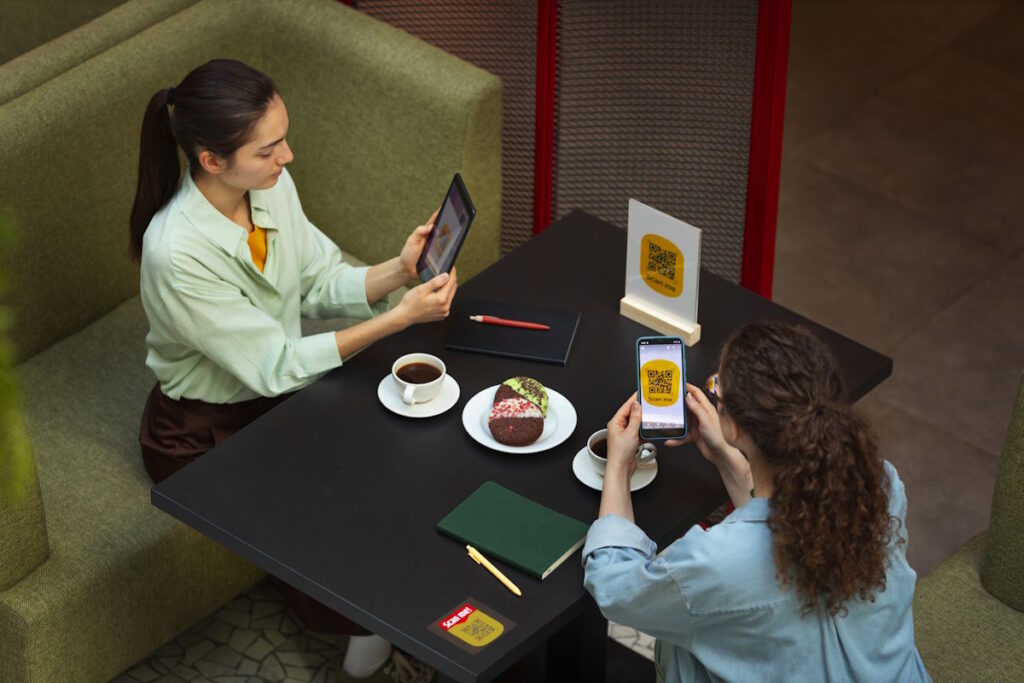
Contactless services are also redefining convenience. Mobile check-ins, digital keys, and app-based service requests create seamless, frictionless journeys for guests while improving operational efficiency for SMEs. By integrating AI-driven systems, small and medium-sized businesses can deliver highly personalized experiences without requiring extensive staff resources, making sophistication and personalization achievable at any scale.
Personalization goes beyond technology; it’s about understanding and anticipating each guest’s unique needs. By leveraging guest data across multiple platforms, SMEs can tailor services, amenities, and communications to individual preferences. This data-driven approach enables the creation of customized offers and experiences, enhancing loyalty, encouraging repeat visits, and setting businesses apart in an increasingly competitive market.
Sustainable Practices and Eco-Conscious Travel
Sustainability has moved from a niche concern to a core expectation for modern travelers. Today’s guests increasingly prioritize eco-friendly accommodations and are more likely to choose businesses that demonstrate genuine environmental responsibility. SMEs in the hospitality sector can adopt a range of sustainable practices, including reducing energy and water consumption, implementing waste reduction and recycling programs, and sourcing products and ingredients locally to support regional economies and reduce carbon footprints.
Beyond operational measures, sustainability can also be a strong marketing differentiator. Obtaining recognized certifications, such as Green Key, EarthCheck, or LEED, signals to environmentally conscious guests that a business is committed to responsible practices, enhancing credibility and trust. SMEs can further highlight sustainability through initiatives like eco-friendly packaging, use of renewable energy, or promoting experiences that connect guests with nature or local culture.
Embracing eco-conscious strategies not only meets guest expectations but can also drive cost efficiencies in the long run, from lower utility bills to reduced waste management expenses. Moreover, it positions SMEs as forward-thinking and socially responsible businesses, fostering loyalty among travelers who value environmental stewardship. By integrating sustainability into their operations, small and medium-sized hospitality businesses can create a lasting positive impact on both the environment and their bottom line.
Loyalty Programs and Customer Engagement
In today’s environment of cautious consumer spending, well-designed loyalty programs are essential. Technology enables customizable rewards and targeted offers that transform occasional visitors into loyal patrons. SMEs can further engage customers through virtual events, branded merchandise, and subscription services such as meal kits, creating additional touchpoints that strengthen relationships, enhance brand loyalty, and generate recurring revenue streams.
Rise of Bleisure and Long-Term Stays
The blending of business and leisure travel, known as “bleisure,” is on the rise. With more professionals working remotely or in hybrid models, there’s an increased demand for accommodations that cater to extended stays and provide work-friendly amenities. SMEs can capitalize on this trend by offering flexible booking options, high-speed internet, and comfortable workspaces, appealing to the growing segment of business travelers seeking leisure opportunities.
Operational Efficiency through Automation
Automation and robotics are optimizing back-of-house functions such as housekeeping, inventory, and kitchen management, reducing labor costs and minimizing waste. These technologies free up human staff to focus on delivering personalized, high-touch services, which are increasingly valued by modern travelers.
Predictive analytics now play a bigger role in managing maintenance and inventory, preventing problems before they arise and reducing costly downtime.
Evolving Business Models and Flexibility
SMEs are diversifying their offerings to remain resilient. Concepts like offering breakfast in traditional restaurants, hosting events during the day in nightclubs, or expanding into branded merchandise help attract varied customer segments and maximize space utilization. Modular and nomadic building designs offer adaptability, allowing SMEs to respond quickly to changing market demand or new geographic opportunities.
Conclusion
To thrive in 2025 and beyond, hospitality SMEs must be agile, innovative, and highly responsive to evolving guest expectations. Embracing digital technologies, sustainability, and personalized services will be essential for delivering exceptional experiences. Successful SMEs will leverage automation, data-driven personalization, and flexible business models to enhance operational efficiency, foster loyalty through targeted programs, and engage authentically via social media. By prioritizing these strategies, small and medium-sized hospitality businesses can not only boost guest satisfaction but also build long-term resilience and secure a competitive edge in an ever-changing industry.