
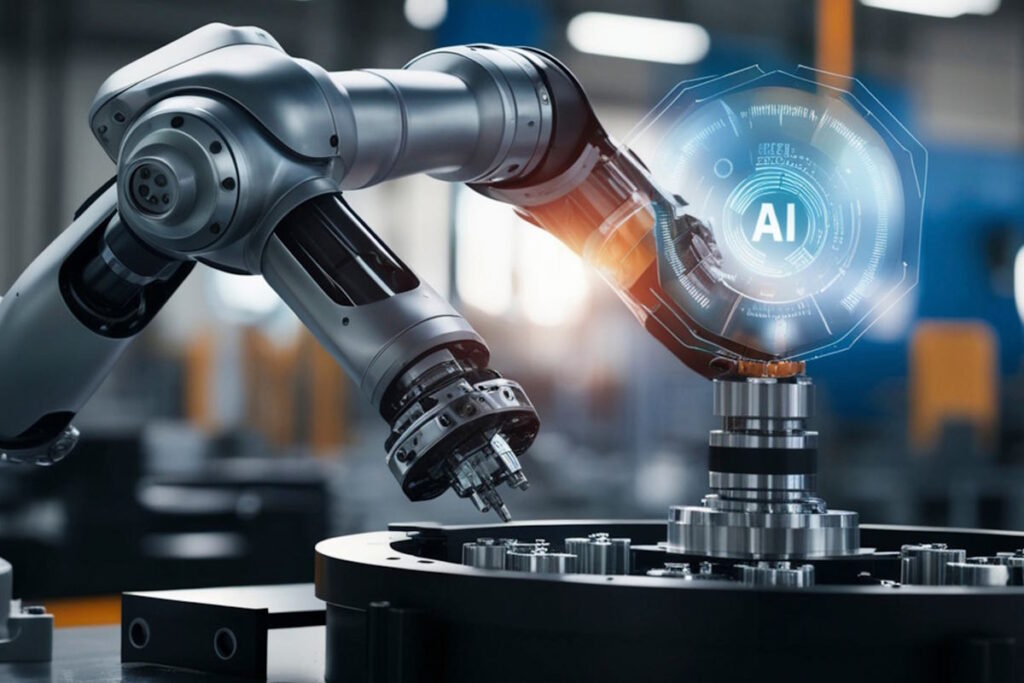
The SME Survival-to-Scale Blueprint for 2026: Practical AI & Automation
As SMEs step into 2026, efficiency and productivity have become critical differentiators. Businesses can no longer rely solely on manual processes or traditional methods to stay competitive. Artificial Intelligence (AI) and automation offer practical solutions that help SMEs save time, reduce costs, and increase revenue—without the need for massive budgets or large tech teams.
Why Practical AI Matters for SMEs
AI isn’t just a buzzword—it’s a tool that can transform day-to-day operations. However, many SMEs hesitate to adopt AI, fearing complexity, high costs, or uncertain returns. The key is to focus on practical applications that provide measurable impact quickly.
When implemented thoughtfully, AI and automation can:
- Free up employee time from repetitive tasks.
- Provide actionable insights from data to make better decisions.
- Enhance customer experience through personalization and faster service.
The goal is not to chase the latest technology trend, but to use tools that directly improve efficiency and profitability.
Step 1: Automate Repetitive Tasks
Every SME has tasks that consume time but add little strategic value. Automation can handle these efficiently:
- Invoicing and billing: Automate recurring invoices and payment reminders to reduce delays.
- Customer service: Implement chatbots for frequently asked questions and support ticket routing.
- Social media posting: Schedule posts in advance to maintain consistent engagement without daily effort.
By automating these tasks, SMEs can focus on higher-value activities, such as business development, strategy, and client engagement.
Step 2: Use AI for Data-Driven Decisions
Decision-making is often hindered by incomplete or scattered data. AI tools can help SMEs:
- Analyze sales trends to predict future demand.
- Identify which marketing campaigns generate the best ROI.
- Highlight operational inefficiencies that can be corrected proactively.
Even without a dedicated data team, AI can provide insights that drive smarter, faster business decisions.
Step 3: Personalize Marketing and Customer Experience
Today’s customers expect relevant, personalized interactions. AI enables SMEs to deliver:
- Customized email campaigns based on customer behavior and preferences.
- Product recommendations tailored to individual buying patterns.
- Timely follow-ups to improve retention and repeat business.
💡 Pro Tip: Start small. Implement AI for a single process, measure the results, and scale gradually. Early wins build confidence and momentum for broader adoption.
Step 4: Keep Implementation Simple
A common mistake is trying to automate everything at once. For SMEs, simplicity is key:
- Select one or two processes that consume the most time or resources.
- Choose tools that integrate easily with existing systems.
- Train your team on using AI effectively to reduce resistance.
The objective is measurable impact, not complexity. Even small improvements can free up significant time and resources over months.
Step 5: Monitor, Adapt, and Scale
AI and automation are not “set and forget.” Continuous monitoring ensures:
- Tasks are running as intended.
- Data insights remain relevant to evolving business needs.
- Opportunities to expand automation into other areas are identified.
💡 Remember: The ultimate goal is to use AI to enhance human capabilities, not replace them.
Conclusion: Efficiency That Drives Growth
Practical AI and automation are essential components of the SME Survival-to-Scale Blueprint for 2026. They allow businesses to work smarter, reduce operational stress, and focus on growth opportunities. By automating repetitive tasks, leveraging AI insights, personalizing customer interactions, keeping implementation simple, and continuously monitoring results, SMEs can transform efficiency into tangible growth.
For SMEs in 2026, those who adopt practical AI early will not only survive—they will scale faster, smarter, and more sustainably.