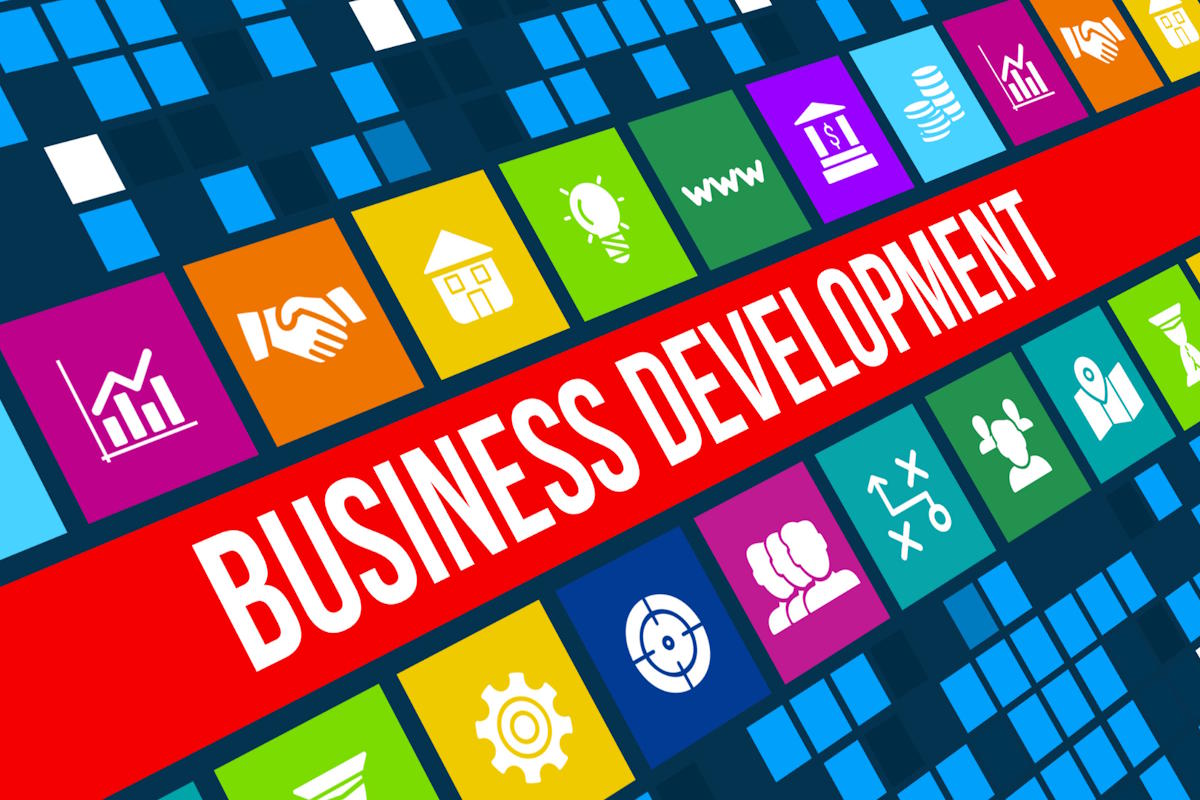
Why Business Development Is More Than Just Sales: The Key to Long-Term Success

Why Business Development Is More Than Just Sales: The Key to Long-Term Success
In many organizations, business development is often misunderstood as simply another form of sales. While sales focuses on closing deals and generating immediate revenue, business development plays a much broader and more strategic role. It is about creating long-term value, identifying growth opportunities, and building sustainable relationships that support the future of a business. Companies that treat business development as a core strategic function, rather than a short-term sales activity, are often the ones that achieve consistent and scalable growth.

At its core, business development is about understanding markets, customers, and partnerships in a deeper way. It involves identifying where the business can expand, what new opportunities exist, and how relationships can be developed to support long-term objectives. Unlike sales, which is often transactional in nature, business development is relational and strategic. It requires patience, insight, and the ability to connect different areas of a business ecosystem to create meaningful growth opportunities.


One of the key differences between sales and business development is the time horizon. Sales typically focuses on immediate results, such as closing a deal or meeting monthly targets. Business development, on the other hand, focuses on building pipelines, strategic partnerships, brand positioning, and market expansion that may not generate instant returns but create stronger foundations for future success. This includes collaborations, channel development, brand alliances, and market entry strategies that strengthen a company’s long-term competitiveness.


Another important aspect of business development is its role in shaping brand positioning. Businesses that invest in development strategies often gain a clearer understanding of how they are perceived in the market and how they can differentiate themselves. This goes beyond selling products or services; it involves creating a value proposition that resonates with the right audience and builds lasting trust. In today’s competitive environment, companies that fail to develop their brand strategically often struggle to maintain relevance, even if their sales performance appears strong in the short term.


Business development also plays a critical role in building ecosystems rather than isolated transactions. Instead of focusing only on one-off sales, it encourages businesses to build networks of partners, repeat customers, and long-term stakeholders. This ecosystem approach helps businesses become more resilient, especially in uncertain market conditions, because growth is not dependent on a single channel or customer segment.


For businesses looking to move beyond short-term sales tactics and build a more strategic growth pathway, having the right development support is essential. At DhuMall Business Development Services, we help businesses identify growth opportunities, build strategic partnerships, and develop structured plans for long-term expansion. Our focus is on creating sustainable business growth systems that go beyond traditional sales approaches.
To explore how we can support your business growth journey,

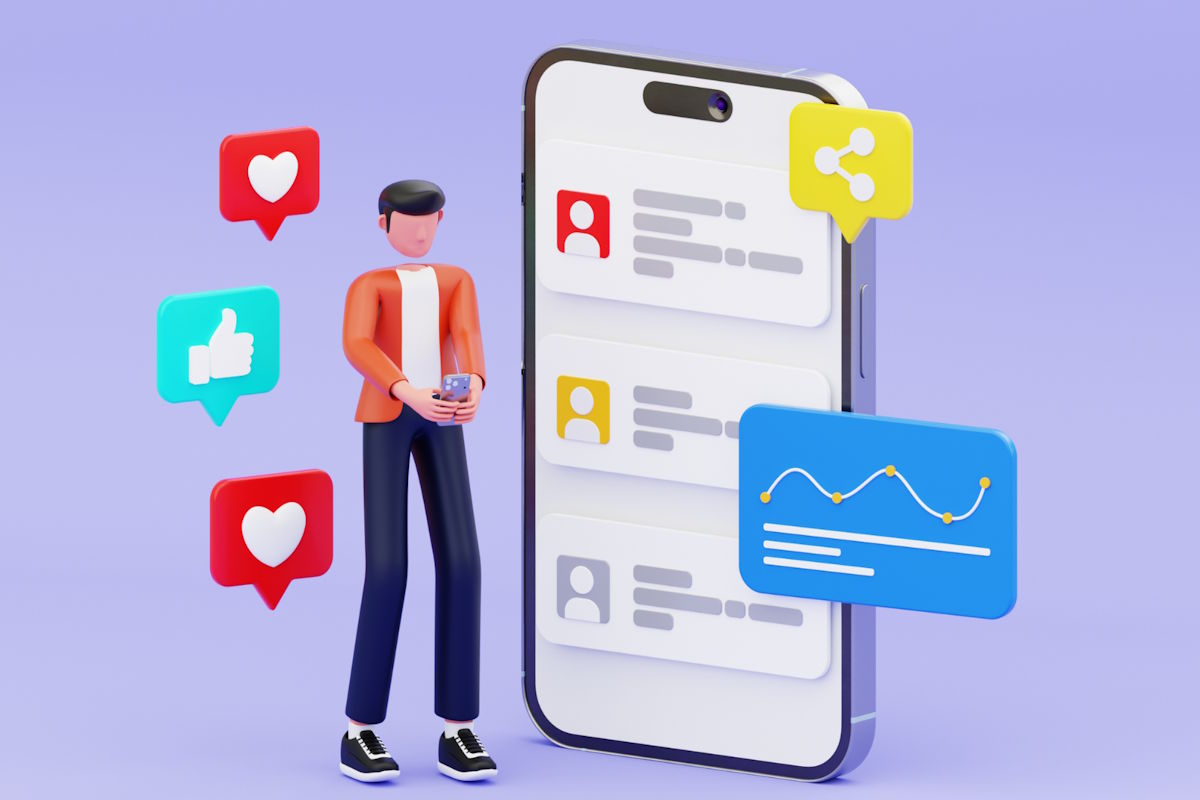
Social Media to Sales: What’s Really Working in 2026

Social Media to Sales: What’s Really Working in 2026

For years, businesses chased likes, followers, and viral content. But in 2026, the conversation has changed.

The real question is no longer: “How many views did we get?”

It is now: “Did the content actually generate customers?”

Across industries, brands are beginning to realize that social media success is no longer about being the loudest online. It is about building trust, creating relevance, and guiding audiences toward action.

So what is actually working in 2026?


  1. Educational Content Is Outperforming Hard Selling

Consumers today are more informed and more skeptical than ever. Traditional “Buy Now” messaging is losing effectiveness, especially on platforms flooded with advertisements. Instead, audiences are responding better to brands that educate rather than aggressively promote.

Businesses that are winning on social media are focusing on short educational videos, problem-solving content, industry insights, behind-the-scenes sharing, wellness guidance, and simple explanations of complex products. People are more likely to buy from brands that help them understand something valuable before asking for a sale.


  1. Trust Has Become the New Marketing Currency

In 2026, trust converts better than attention. Consumers are increasingly cautious about exaggerated claims, overly polished branding, and unrealistic promises. Instead, they are looking for authenticity, consistency, and transparency.

What builds trust today is not just polished branding, but real customer experiences, visible founders, honest communication, consistent messaging, and active community engagement. Brands that feel “human” are outperforming brands that feel overly corporate.


  1. Short-Form Videos Still Dominate — But Strategy Matters More

Short videos continue to dominate platforms like TikTok, Instagram Reels, Facebook Reels, and YouTube Shorts. However, simply posting videos is no longer enough. The brands seeing real results are those that focus on strong hooks within the first few seconds, storytelling that reflects real-life situations, emotional connection, and clear audience targeting. In many cases, simple smartphone-style videos are outperforming expensive productions because they feel more natural and trustworthy.


  1. Community-Driven Brands Are Growing Faster

The most successful businesses in 2026 are not just building customers. They are building communities. Private WhatsApp groups, Telegram communities, membership ecosystems, loyalty programs, and educational groups are becoming powerful tools for long-term customer retention. Why? Because people stay longer when they feel connected to something bigger than a transaction.


  1. AI Is Changing Marketing — But Human Connection Still Wins

Artificial intelligence is now deeply integrated into marketing workflows, from content creation and advertising optimization to customer service and behavior analysis. It allows businesses to operate faster, smarter, and more efficiently. However, despite this shift, one principle remains unchanged: people still buy from people they trust. The most successful brands are those that combine AI efficiency with authentic human communication, emotional storytelling, and consistent relationship-building.


  1. The Winning Formula in 2026

The brands generating real sales from social media are focusing on a simple formula: Education + Trust + Consistency + Community

    • Not hype.
    • Not vanity metrics.
    • Not aggressive selling.

Consumers are becoming smarter, and successful businesses are adapting by becoming more valuable, more authentic, and more customer-focused.


In 2026, social media is no longer just a marketing platform. It has become a complete customer journey, from discovery, to trust-building, to long-term brand loyalty. The businesses that understand this shift early will be the ones that continue growing in the years ahead.