The Impact of Social Media Influencers on Business Strategy and Brand Loyalty

The Impact of Social Media Influencers on Business Strategy and Brand Loyalty

In recent years, social media influencers have become an integral part of modern business strategies. Their influence stretches across platforms like Instagram, TikTok, YouTube, and Twitter, where they have gained large followers and significant trust from their audience. As a result, businesses are increasingly partnering with influencers to promote their products and services. But how exactly do influencers have an effect on business strategy and brand loyalty?

Let’s explore the impact of social media influencers on business strategy and brand loyalty.


What is a Social Media Influencer?

A social media influencer is someone who has gained trust and built a large audience on social media platforms. Influencers often specialize in specific niches such as beauty, fitness, travel, food, or technology, and they have the ability to affect the purchasing decisions of their audience. The key characteristic of an influencer is that they have the power to influence the opinions, behaviors, and preferences of their followers. Their content, which can range from product reviews and tutorials to lifestyle posts, helps businesses reach their target audience in an authentic and engaging way.


Changing the Landscape of Marketing

Traditionally, businesses relied on television ads, print media, and radio to market their products. These methods often reached a broad audience but lacked personal connection or trust. Today, digital marketing has shifted, and businesses are investing more in social media influencers to bridge the gap between traditional advertising and personal recommendations.


  1. Reaching Targeted Audiences

One of the most significant advantages of working with influencers is the ability to target specific groups of people. Influencers often have niche followings based on their interests and expertise. For example, a beauty brand might collaborate with a beauty influencer whose audience consists of makeup enthusiasts, while a fitness brand could partner with an influencer who focuses on health and wellness. This kind of targeted marketing ensures that businesses are reaching the right consumers who are more likely to be interested in their products.

Social media platforms also provide a wealth of data that helps brands refine their strategies. Businesses can track an influencer’s engagement rate, demographics, and even the geographical location of their audience. This information allows companies to make informed decisions about which influencers are best suited to promote their products.


  1. Authenticity and Trust

Another key benefit of influencer marketing is the level of trust and authenticity influencers bring to the table. Unlike traditional advertisements, which can often feel pushy or insincere, influencers build genuine relationships with their followers. They are seen as relatable, trustworthy, and knowledgeable in their area of expertise.

When an influencer promotes a product, it comes across as a personal recommendation rather than a direct sales pitch. This authenticity makes followers more likely to consider the product or service being endorsed. In fact, studies have shown that consumers are more likely to trust an influencer’s recommendation over traditional advertising, leading to higher conversion rates for businesses.


  1. Content Creation and Brand Awareness

Influencers are skilled content creators, and their posts often feel more organic and creative than standard advertisements. By collaborating with influencers, brands can tap into their creative expertise to create engaging content that resonates with their target audience. This could be in the form of product reviews, tutorials, behind-the-scenes looks, or lifestyle posts that showcase the brand in an authentic light.

Influencers are also known for being highly active on social media, meaning their content has the potential to reach a broad audience very quickly. A single post from a popular influencer can result in a massive increase in brand visibility and awareness. For businesses, this is a golden opportunity to introduce their products to a large group of potential customers in a way that feels natural and engaging.


The Effect of Influencers on Brand Loyalty

While influencers are a powerful tool for customer acquisition, they also play a significant role in fostering brand loyalty. When consumers trust a brand or product because of an influencer’s endorsement, that trust can lead to stronger emotional connections with the brand.


Here’s how influencers can drive long-term loyalty:

  1. Creating Emotional Connections

Influencers often connect with their followers on a personal level, sharing their experiences, struggles, and successes. This creates an emotional bond with the audience. When an influencer shares a positive experience with a brand, their followers may begin to see the brand not just as a product, but as a part of their lifestyle.

This emotional connection can lead to greater brand loyalty because consumers feel personally invested in the brand. They are more likely to continue purchasing from that brand if they feel that it aligns with their values, interests, and lifestyle—values often conveyed by the influencers they follow.


  1. Building a Community

Influencers don’t just promote products; they build communities around their content. Followers often feel like they are part of an exclusive group, united by shared interests and experiences. When a brand partners with an influencer, they are not just gaining access to the influencer’s audience—they are also becoming part of that community.

This sense of belonging can translate into greater loyalty. If consumers identify with the community fostered by the influencer, they are more likely to continue supporting the brand that the influencer promotes. For example, a fitness influencer’s audience may feel a strong connection to the brand of workout gear the influencer regularly uses, leading them to become loyal customers of that brand.


  1. Repeat Engagement and Advocacy

Loyal customers often become brand advocates, and influencers can help turn one-time buyers into repeat customers. When influencers consistently promote a brand or product, it keeps the brand at the forefront of the consumer’s mind. This constant exposure can drive repeat purchases and long-term loyalty.

Additionally, followers who feel positively about an influencer’s endorsement may share their experience with others, essentially becoming ambassadors for the brand. Word-of-mouth recommendations are powerful, and when they come from someone a consumer trusts, they are even more influential.


The Role of Micro-Influencers

While major celebrities and influencers with millions of followers often grab the spotlight, micro-influencers—those with smaller, more engaged audiences—are becoming increasingly important for businesses. Micro-influencers typically have between 1,000 and 100,000 followers, but their audiences tend to be highly engaged and loyal.

Working with micro-influencers can be a cost-effective way for brands to increase their reach and build loyalty. These influencers often have more intimate relationships with their followers, and their recommendations tend to carry a lot of weight. As a result, businesses may find that partnering with micro-influencers leads to higher engagement rates and stronger brand loyalty.


Challenges of Influencer Marketing

Despite its many advantages, influencer marketing does come with its challenges. For one, the effectiveness of influencer campaigns can vary greatly depending on the influencer’s credibility and the alignment between the influencer’s values and the brand’s values. If a brand chooses the wrong influencer or if the influencer fails to maintain the trust of their followers, the campaign can backfire.

Additionally, the rise of influencer fraud—such as buying fake followers or engagement—has led to increased scrutiny of influencer partnerships. Brands must carefully vet influencers to ensure that they are working with legitimate individuals who genuinely influence their followers.

Social media influencers play a central role in current marketing campaigns. Their ability to reach targeted audiences, foster authentic connections, and drive brand loyalty makes them powerful assets for businesses. By leveraging influencers, companies can not only enhance their marketing campaigns but also build lasting relationships with consumers.


However, businesses must approach influencer marketing strategically, selecting influencers who align with their brand values and message. With the right approach, influencers can help businesses not only drive sales but also create a loyal customer base that will continue to support the brand in the long term.

The future of influencer marketing seems bright, and as social media continues to evolve, so too will the strategies that businesses use to build trust and loyalty with their customers. Influencers are no longer just a trend—they are a crucial part of any successful business strategy.

Transform Your Products into a New Brand with DhuMall’s OEM & Private Labeling

Transform Your Products into a New Brand with DhuMall’s OEM & Private Labeling

In today’s fast-paced and highly competitive market, standing out from the crowd is more challenging than ever. Businesses face constant pressure to innovate, expand their reach, and strengthen their brand presence. One proven strategy to achieve these goals is through OEM (Original Equipment Manufacturer) and private labeling. This approach allows businesses to rebrand existing products and market them as their own, saving both time and production costs.

OEM and private labeling let you focus on what truly matters—branding, marketing, and sales—while still offering high-quality, ready-made products. Instead of developing products from scratch, you gain access to products that are already tested and reliable. By customizing the packaging and branding, you create a unique identity that resonates with your target audience.

DhuMall makes this transformation process simple and effective. We help you rebrand your existing products into exclusive offerings that can be positioned strategically in both local and global markets. Whether you’re entering new territories or expanding your current product line, DhuMall provides the tools, expertise, and platform to make it happen. With our support, your brand can grow faster, reach wider audiences, and stay ahead in today’s dynamic business environment—all while keeping costs low and impact high.


What Is OEM & Private Labeling?

OEM and private labeling allow businesses to repackage and rebrand existing products under a new identity. Instead of creating a new product from scratch, you start with a high-quality, ready-made product. You then brand it as your own, giving it a fresh name, packaging, and identity that reflects your business.

This model helps companies save time and reduce production costs, while still offering a strong product to the market. More importantly, it lets you focus on marketing, sales, and building your brand image—rather than dealing with the complexity of manufacturing.


Why Choose DhuMall for OEM & Private Labeling?

DhuMall specializes in helping businesses rebrand and launch products globally through a seamless OEM and private labeling process. Whether you are a manufacturer or a reseller, DhuMall offers the tools, platform, and network you need to transform your products into high-impact global brands.


Here’s what makes DhuMall a trusted partner:

  1. Global Reach

DhuMall connects your products with a worldwide audience. With our e-commerce platform and global sales strategy, your rebranded products will reach buyers far beyond your local market. We help you tap into international demand with ease.

  1. Seamless Rebranding

Our team handles the full process of turning your existing products into exclusive brands. This includes packaging design, labeling, and product presentation tailored to market needs. You don’t need to worry about logistics—we take care of it.

  1. Fast Market Entry

OEM and private labeling let you enter new markets quickly. You don’t need to wait months to develop and test new products. DhuMall helps you launch quickly with ready-to-sell products, already backed by quality and reliability.

  1. Cost-Effective Expansion

Rebranding through OEM and private labeling saves money. You avoid high R&D and manufacturing costs. DhuMall adds another layer of savings by offering free onboarding and free subscription services.

  1. Flexible Brand Strategy

With DhuMall, you can test different brand strategies, launch multiple product lines, and explore new segments. The flexibility of private labeling lets you adapt to changing market demands quickly and efficiently.


DhuMall’s Global Sales Partner Program

To further boost your success, DhuMall offers the Global Sales Partner Program—a complete solution that not only helps you rebrand but also actively markets and sells your products.


This program is designed for businesses that want more than just a product rebrand. It’s about building a long-term strategy for global success. Here’s how it works:

  1. OEM & Private Label Collaboration

We collaborate with you to rebrand your products under our exclusive portfolio. This makes it easy to introduce your products into both local and international markets with a new identity.

  1. E-Commerce Visibility

Your rebranded products are showcased on DhuMall’s advanced e-commerce platform, giving them global exposure and making it easy for customers around the world to find and purchase them.

  1. Extensive Agent Network

We partner with agents across multiple regions to represent your brand. These agents understand local markets and help boost your product’s reach.

  1. Affiliate Marketing Power

Our global affiliate marketing network drives sales through performance-based campaigns. Affiliates promote your products online, bringing in leads and conversions at a lower cost.

  1. Tailored Sales Campaigns

Our marketing team creates custom strategies for your product. We analyze your target market, build a unique campaign, and execute it for maximum results.

  1. Cost Efficiency

You avoid high marketing, distribution, and infrastructure costs. By leveraging DhuMall’s existing networks, you achieve faster results with less investment.

  1. Brand Growth

With DhuMall’s support, your brand becomes recognizable and respected in competitive markets. We help build your brand identity and customer loyalty.


Why Join the Global Sales Partner Program?

  • Expand Your Global Footprint:

We make your product part of a global portfolio. Our OEM and private label services ensure your brand adapts to new markets easily.

  • Performance-Driven Marketing:

We drive visibility and sales through proven marketing strategies and global networks.

  • Comprehensive Market Support:

From product onboarding to final sales, we handle every step. You focus on growing your business while we take care of execution.


How It Works

Step 1: OEM & Private Label Collaboration

We rebrand your products and prepare them for market.

Step 2: E-Commerce Platform

Your products go live on DhuMall.com, available to global customers.

Step 3: Sales Execution

Our agents and affiliates promote and sell your products internationally.

This process ensures faster growth, better visibility, and higher sales with less overhead.


Let’s Build Success Together

By partnering with DhuMall, you gain more than just a service—you gain a strategic partner dedicated to helping you thrive globally. We work with you to rebrand your products, optimize your marketing, and reach new audiences.

Whether you’re looking to break into new markets, reposition your products, or build a strong international presence, the DhuMall Global Sales Partner Program offers the tools and support you need to succeed.

Join Us Today

And

Unlock The True Potential Of Your Products

Transforming Traditional Industries: How Tech Startups Are Leading the Change

Transforming Traditional Industries:
How Tech Startups Are Leading the Change

In the ever-evolving world of technology, traditional industries are undergoing significant transformations. From healthcare and finance to agriculture and manufacturing, the digital revolution is reshaping the way businesses operate, deliver services, and interact with customers. A driving force behind this transformation is the rise of tech startups. These innovative companies are challenging the status quo, introducing new solutions, and pushing the boundaries of what’s possible.

Let’s explore how tech startups are leading the change in traditional industries and what this means for the future of business.


The Rise of Tech Startups

Tech startups are small, young companies that focus on developing new technologies or providing innovative solutions in the tech sector. Often characterized by their agility, creativity, and willingness to take risks, these companies are not afraid to challenge established norms. Unlike large, traditional businesses, tech startups are known for their ability to move quickly and adapt to changing market demands. Their focus is often on creating innovative products or services that leverage new technologies like artificial intelligence (AI), blockchain, the Internet of Things (IoT), and big data.

In recent years, these startups have played a critical role in transforming industries. They’ve introduced new business models, improved efficiency, and created opportunities for growth where none existed before. By offering disruptive solutions, tech startups are not just competing with large corporations but are often rewriting the rules of entire industries.


Changing Healthcare with Technology

One of the industries most affected by tech startups is healthcare. Traditional healthcare systems have long been burdened by inefficiencies, high costs, and outdated technologies. However, with the rise of tech startups, the healthcare sector has seen remarkable improvements in the way it operates and delivers services.

Telemedicine is one of the most significant innovations to emerge from tech startups in healthcare. Telemedicine platforms allow patients to consult with doctors remotely, eliminating the need for in-person visits. This is particularly beneficial for patients in rural or underserved areas, as well as for those with limited mobility. These platforms have made it easier for people to access healthcare and receive timely medical advice.

In addition to telemedicine, startups are using AI and machine learning to improve diagnostic accuracy. Algorithms are being developed that can analyze medical images and detect conditions like cancer and cardiovascular diseases. This not only speeds up the diagnosis process but also reduces human error, leading to better patient outcomes.

Startups are also focusing on wearable health tech. Wearable devices like smartwatches and fitness trackers allow users to keep track of vital signs, and physical activity, and detect early health issues. These technologies have revolutionized personal health management by making it easy for users to monitor their health in real time.


Revolutionizing Finance with Fintech

Another sector being transformed by tech startups is finance. The financial services industry has traditionally been dominated by large banks and institutions, with customers relying on them for everything from checking accounts to loans and investments. However, fintech (financial technology) startups are challenging this traditional model by offering new and innovative ways for people to manage their money.

One of the most significant developments in fintech is the rise of digital payment platforms. These platforms have made it easier for businesses and consumers to send and receive money electronically. They have simplified transactions, reduced costs, and expanded access to financial services, particularly for people in regions with limited banking infrastructure.

Peer-to-peer lending platforms are revolutionizing the way lending operates. These startups allow individuals to lend money directly to borrowers, bypassing traditional banks and reducing the cost of borrowing. Additionally, commission-free trading and easy-to-use investment platforms are democratizing investing, offering consumers the ability to invest with minimal fees.

Blockchain technology is another major innovation in finance. Blockchain has the potential to revolutionize how transactions are recorded, making them more secure, transparent, and efficient. Financial institutions are beginning to explore the use of blockchain for everything from cross-border payments to securing sensitive data.


Disrupting Agriculture with AgTech

Agriculture is an industry that’s ripe for disruption, and tech startups are leading the charge with innovations that improve productivity, sustainability, and efficiency. Traditional farming methods have remained relatively unchanged for centuries, but with the advent of agricultural technology (AgTech), the industry is being transformed.

One of the key ways tech startups are changing agriculture is through the use of precision farming. Software and hardware solutions are allowing farmers to optimize their use of resources such as water, fertilizers, and pesticides. By collecting data from sensors and satellite imagery, farmers can make more informed decisions about when and how to apply these resources, reducing waste and increasing crop yields.

Startups are also improving food production through vertical farming. This farming method involves growing crops in stacked layers, often in controlled indoor environments. Vertical farms use less land and water than traditional farms, making them a more sustainable option for producing food. These innovations are helping create efficient, scalable systems that could feed the world’s growing population.

Additionally, AgTech startups are using drones and AI to monitor crops and livestock. Drones can be used to survey fields, identify crop diseases, and assess plant health, while AI algorithms can analyze this data to predict crop yields and detect potential issues before they become major problems.


Transforming Manufacturing with Industry 4.0

Manufacturing has also seen significant changes thanks to the rise of tech startups. Industry 4.0, a term used to describe the fourth industrial revolution, is characterized by the integration of digital technologies such as IoT, AI, robotics, and automation into manufacturing processes. Startups are at the forefront of this revolution, developing new technologies that improve efficiency, reduce costs, and enhance product quality.

One example is the use of 3D printing in manufacturing. 3D printing technologies are allowing companies to create customized parts and prototypes quickly and cost-effectively. This eliminates the need for traditional manufacturing processes, which can be time-consuming and expensive.

Another major innovation in manufacturing is the use of robotics and automation. Robots are being developed that can work alongside humans in factories, performing repetitive tasks with precision and speed. This reduces the risk of human error and allows manufacturers to increase production while cutting labor costs.

IoT devices are also being used to optimize supply chains and improve inventory management. Sensors and tracking systems provide real-time data on the location and condition of goods as they move through the supply chain. This helps companies make more informed decisions about inventory, reduce waste, and ensure that products reach customers on time.


The Future of Traditional Industries

As we look to the future, it’s clear that tech startups will continue to play a central role in transforming traditional industries. They are driving innovation, improving efficiencies, and creating new opportunities for growth. These startups are not only challenging established businesses but are also collaborating with them to create more advanced, sustainable, and customer-centric solutions.

Nevertheless, the fast rate of technological advancement also presents challenges. Traditional industries must be willing to embrace new technologies and adapt to changing market conditions. This requires a shift in mindset and a willingness to invest in digital transformation. Companies that fail to adapt risk being left behind, while those that embrace innovation will be well-positioned for success in the future.


Tech startups are leading the way in transforming traditional industries. From healthcare and finance to agriculture and manufacturing, these startups are introducing new technologies and business models that are reshaping the way industries operate. As the digital revolution continues, we can expect even more disruption and innovation, making the future of business an exciting and unpredictable journey.

In a world that’s constantly evolving, tech startups are at the forefront of innovation. They’re changing the game for traditional industries, introducing new technologies that make businesses more efficient, accessible, and sustainable. By embracing these changes, traditional industries can unlock new growth opportunities and improve their overall performance. The future is tech-driven, and the startups leading the charge are creating a new era of progress, transformation, and endless possibilities.

Government Grants for Small Businesses & Startups

Government Grants for Small Businesses & Startups

Starting and running a business is exciting, but it also comes with many challenges. One of the biggest hurdles for small businesses and startups is securing enough funding to grow, innovate, or even stay afloat. That’s where government grants come in. These grants provide financial support without the need for repayment, making them an attractive option for entrepreneurs. However, finding and applying for the right grants can be complicated.

Let’s explore how government grants work, the different types available, and the various ways they can support the growth of small businesses and startups. From funding innovation to expanding operations, grants offer valuable opportunities. Understanding and applying for the right grants can give your business a strong advantage in today’s competitive market.


What Are Government Grants?

Government grants are non-repayable funds provided by local, state, or federal governments to support business activities that promote economic development, innovation, sustainability, and job creation. These grants are often sector-specific and come with eligibility requirements, application deadlines, and strict compliance rules.

Unlike loans, grants do not require repayment, which makes them highly competitive. To qualify, businesses must show that their goals align with the purpose of the grant. For example, a startup working on green technology may apply for a sustainability grant, while a manufacturing company may qualify for an export promotion grant.


Why Government Grants Matter for Small Businesses and Startups

Small businesses and startups often lack the capital that larger companies have. Government grants can provide crucial funding to:

  • Launch new products or service
  • Expand into new markets
  • Improve technology and systems
  • Hire and train staff
  • Conduct research and development (R&D)

With the right grants, businesses can scale quickly without taking on debt or giving up equity. This funding can be the difference between survival and success.


Common Types of Government Grants

Governments offer a wide variety of grants to support different industries and business goals. Here are some of the most common types:

  • Research & Development (R&D) Grants: Help fund innovation and technological advancements.
  • Business Expansion Grants: Support scaling operations or entering new markets.
  • Export Incentives: Assist businesses in taking their products or services global.
  • Green and Sustainability Grants: Encourage eco-friendly practices and technologies.
  • Digitalization and Technology Grants: Promote adoption of digital tools and systems.
  • Sector-Specific Grants: Target industries such as agriculture, manufacturing, or healthcare.
  • Training and Development Grants: Fund employee upskilling and workforce development.

Each grant has its own criteria, focus areas, and submission process. Identifying the right one takes time and expertise.


Challenges of Applying for Grants

Applying for a government grant is not always easy. Many businesses face the following obstacles.

  • Lack of awareness about available grant
  • Uncertainty about eligibility
  • Complex application processes
  • Time-consuming documentation requirements
  • High risk of rejection due to small errors

As a result, many businesses miss out on valuable funding. That’s where expert help can make all the difference.


DhuMall Government Grants Services: Your Trusted Partner in Funding Success

Navigating the grant application process doesn’t have to be overwhelming. DhuMall Government Grants Services helps small businesses, startups, and companies access the funding they deserve—fast, easy, reliable, secure, and proven, with expert guidance every step of the way.

  • What Makes DhuMall Different?

At DhuMall, we bridge the gap between businesses and the government grants they qualify for. Our team of experts has years of experience and a high success rate in helping companies secure millions in funding.


Here’s how we make it easy:

Our Comprehensive Services

  • Comprehensive Grant Research

We analyze hundreds of grant programs to find the most relevant ones for your business.

  • Eligibility Assessment

We assess your business to ensure it meets the grant’s criteria, saving you time and avoiding rejection.

  • Grant Application Preparation

We create strong, clear, and persuasive applications that align with funding goals.

  • Documentation Support

Our team helps you collect and format all required documents professionally.

  • Application Submission & Follow-Up

We handle submissions and keep you updated on your application status.

  • Post-Approval Support

Once approved, we help you meet reporting requirements and maximize your funding.


Who We Help

Our services benefit a wide range of clients:

  • Small and Medium Enterprises (SMEs): Get the funding needed to grow and compete.
  • Startups: Access early-stage funding to turn ideas into reality.
  • Established Companies: Secure extra capital for expansion and innovation.
  • Nonprofits and Social Enterprises: Fund impactful, community-driven projects.
  • Exporters and Manufacturers: Tap into international markets and scale production.


Why Choose DhuMall?

  • Expertise: Over a decade of experience across industries.
  • High Success Rate: Consistently above industry standards.
  • Time Savings: We handle the process, so you can focus on running your business.
  • Customized Strategy: Tailored solutions that match your business needs.
  • End-to-End Support: From first consultation to post-approval reporting.


Types of Grants We Cover

We specialize in a wide variety of funding opportunities, including:

  • Innovation and R&D
  • Expansion and international trade
  • Green tech and sustainability
  • Digital transformation
  • Sector-specific and workforce development
  • And many more customized options


Our Simple Process

  • Initial Consultation

We learn about your business goals and funding needs.

  • Grant Identification

We research and shortlist the best grants for you.

  • Strategic Planning

We create a tailored plan to improve your chances of success.

  • Application Submission

We handle everything to ensure accurate and timely submission.

  • Funding Support

We help you stay compliant and make the most of your grant.


Affordable, Transparent Pricing

Our services start with a nominal non-refundable onboarding fee which includes your initial consultation, early-stage research, and eligibility assessment. Additional services, such as post-approval support, are optional and priced separately based on your needs.


Take the First Step Toward Growth and Innovation.

Don’t let valuable funding opportunities pass you by. At DhuMall, we simplify the process and increase your chances of success. Whether you are just starting out or looking to grow, we are here to help you access the funding you deserve.


Sign Up for DhuMall Government Grants Services today.

Let us help you unlock the potential of government grants—fast, easy, and hassle-free.

Future-Proofing Retail SMEs in the Age of E-Commerce

Future-Proofing Retail SMEs in the Age of E-Commerce

In today’s rapidly evolving market, small and medium-sized enterprises (SMEs) in the retail sector face increasing competition from both global e-commerce giants and other local businesses. The rise of e-commerce has fundamentally changed the way consumers shop, and this shift has forced traditional retailers to adapt. With technology and consumer behaviors evolving at a fast pace, it is critical for retail SMEs to future-proof their businesses to ensure long-term success.

Let’s look at the strategies and steps that retail SMEs can take to remain relevant and competitive in the age of e-commerce.


  1. Embrace E-Commerce and Digital Transformation

In 2025, nearly 70% of all retail purchases will be made online or influenced by digital experiences. This shift has made it more important than ever for retail SMEs to establish a strong digital presence. If a business has not yet adopted e-commerce, it must act fast to avoid falling behind.

  • Creating an Online Store

Setting up an e-commerce website is one of the most effective ways for SMEs to tap into the online shopping market. Many website-building platforms allow retailers to build professional online stores quickly and affordably. These platforms offer user-friendly interfaces, payment gateway integrations, and tools to manage inventory, making it easier for SMEs to sell their products to a broader audience.

Retail SMEs should ensure that their online store is visually appealing, easy to navigate, and mobile-friendly. More consumers are shopping from smartphones, so a mobile-optimized website is crucial for ensuring a smooth and positive shopping experience.

  • Leveraging Online Marketplaces

In addition to having their own online stores, retail SMEs can also consider selling on established e-commerce platforms. These platforms already have massive, built-in customer bases, making it easier for small businesses to reach potential customers without spending a fortune on marketing.

By listing products on multiple channels, retailers can expand their reach and gain access to new customers who may not have found them otherwise.


  1. Focus on Mobile Shopping

With smartphones becoming a preferred shopping device, it is vital for SMEs to adapt their online presence to cater to mobile shoppers. In fact, by 2025, it’s projected that mobile commerce will account for more than 70% of total e-commerce sales. Therefore, retail SMEs must ensure that they offer a seamless mobile shopping experience to stay competitive.

  • Mobile-Optimized Website

A mobile-optimized website is critical to retaining mobile shoppers. A mobile-friendly website adjusts its design to fit smaller screens, loads quickly and provides a smooth navigation experience. Whether customers are browsing products or checking out, the process should be easy and efficient.

  • Mobile Payment Integration

Retail SMEs should also integrate mobile payment options into their e-commerce platforms. Services such as mobile wallets and digital payment systems have become increasingly popular for mobile shoppers, offering a fast, secure, and convenient way for customers to make purchases directly from their mobile devices.


  1. Leverage Data and Personalization

Today’s consumers expect personalized shopping experiences. Retail SMEs can use customer data to create more relevant and tailored shopping experiences, leading to higher satisfaction and increased sales.

  • Personalized Recommendations

By collecting data on customer behavior, SMEs can offer personalized product recommendations to their online visitors. Tools like machine learning can analyze customer preferences and make real-time recommendations, improving both conversion rates and customer satisfaction.

  • Email and Content Personalization

Personalization should also extend to email marketing and content. By analyzing past purchases or browsing behavior, SMEs can send targeted promotions or product recommendations. Personalized emails are much more likely to engage customers and lead to repeat purchases.


  1. Create an Omnichannel Experience

An omnichannel approach allows retailers to offer a seamless experience across all platforms, both online and offline. Customers want to shop whenever and wherever it’s convenient for them, so retail SMEs must integrate their various sales channels to create a unified experience.

  • Click-and-Collect

Retail SMEs with physical stores should consider implementing a click-and-collect (buy online, pick up in-store) service. This allows customers to shop online and pick up their orders at a physical store, combining the convenience of e-commerce with the instant gratification of in-person shopping. It’s also a great way to drive foot traffic to stores and increase the likelihood of additional purchases once customers are in-store.

  • In-Store Returns for Online Purchases

Another way to improve the customer experience is by offering in-store returns for online purchases. This creates added convenience for customers and reduces return shipping costs for the retailer. Having an integrated system between online and in-store operations is key to making this process smooth and efficient.


  1. Invest in Efficient Inventory and Supply Chain Management

One of the most significant challenges for retail SMEs in the e-commerce era is managing inventory effectively. With the rise of online shopping, there is a growing need to maintain accurate stock levels and deliver products quickly.

  • Implement Inventory Management Tools

Retail SMEs should invest in inventory management systems that integrate with their online and physical stores. These systems help track stock levels in real-time, automatically updating inventory as sales occur. This helps reduce the risk of stockouts and overstocking, ensuring that customers receive their orders promptly.

  • Use Data for Demand Forecasting

By analyzing sales trends, SMEs can predict which products will be in demand at different times of the year. Inventory management systems powered by artificial intelligence (AI) can forecast demand based on historical data, helping businesses optimize their supply chains and reduce excess inventory.


  1. Focus on Customer Retention

While acquiring new customers is important, retaining existing customers is even more valuable. Loyal customers are more likely to make repeat purchases and recommend a brand to others, which leads to higher long-term profits.

  • Implement Loyalty Programs

Loyalty programs are a powerful tool for fostering customer retention and promoting repeat transactions. Small and medium-sized enterprises (SMEs) can provide customers with incentives like discounts, free shipping, or exclusive access to new products as a way to encourage ongoing loyalty. These loyalty programs can be carried out both online and in physical stores to deepen the relationship between the business and its customers.

  • Excellent Customer Service

Providing excellent customer service is one of the most effective ways to keep customers coming back. Whether through email, live chat, or phone support, SMEs should aim to respond to customer inquiries promptly and resolve issues quickly. Happy customers are more inclined to come back and spread the word to others.

  • Engage Customers on Social Media

Retail SMEs can use social media to build strong relationships with their customers. Social media platforms allow businesses to engage with their audience in real time, showcase new products, and promote special offers. Such platforms also provide an opportunity to collect feedback from customers, which can be used to improve products and services.


  1. Stay Current with Technology Trends

As the e-commerce landscape continues to evolve, staying up-to-date with the latest technology trends is essential for remaining competitive. Retail SMEs must embrace innovations like artificial intelligence (AI), automation, and augmented reality (AR) to stay ahead of the curve.

  • Artificial Intelligence and Automation

AI and automation technologies can help retail SMEs optimize their operations. For instance, AI-powered chatbots can answer customer queries 24/7, while automation tools can streamline order fulfillment and inventory management. By adopting these technologies, SMEs can improve efficiency, reduce costs, and enhance the customer experience.

  • Augmented Reality (AR)

Augmented reality is another exciting technology that’s gaining traction in the retail industry. Augmented Reality (AR) enables customers to see how products would look in their actual environment before deciding to buy. AR improves the online shopping experience and helps customers make more confident purchasing decisions.


  1. Focus on Sustainability

Sustainability is becoming a key consideration for consumers when choosing what to buy.

Retail SMEs that prioritize environmental responsibility can not only attract more customers but also differentiate themselves from competitors.

  • Offer Sustainable Products

Retail SMEs can focus on offering eco-friendly products that appeal to environmentally-conscious customers. This might include products made from recycled materials, items with minimal packaging, or products from ethical sources. By promoting sustainability, businesses can tap into the growing market for eco-conscious shoppers.

  • Transparent Business Practices

Customers appreciate transparency, particularly when it comes to environmental and ethical practices. Retail SMEs can share information about their sourcing, production, and sustainability efforts through their websites, social media, or product labeling. This builds trust and loyalty among consumers who are increasingly concerned with the environmental impact of their purchases.


  1. Adapt to Changing Consumer Behavior

As consumer preferences continue to evolve, retail SMEs must remain flexible and adaptable. It’s essential to listen to customers, stay informed about market trends, and adjust business strategies accordingly.

  • Monitor Consumer Trends

By staying informed about shifts in consumer behavior, retail SMEs can anticipate changes in demand and adjust their offerings. For instance, the rise of health and wellness trends has prompted many retailers to focus on products related to fitness, nutrition, and mental well-being. Monitoring these trends can help SMEs pivot and stay relevant to their target audience.

  • Offer Flexible Payment Options

Consumers are increasingly looking for flexible payment options, such as buy now, pay later (BNPL) services. Retail SMEs can integrate these payment solutions into their e-commerce platforms to appeal to a broader range of customers, particularly younger shoppers who prefer installment payments.


Future-proofing a retail SME in the age of e-commerce requires a comprehensive approach that embraces technology, focuses on customer experience, and adapts to changing market conditions. By building a strong online presence, personalizing the shopping experience, and leveraging data, SMEs can enhance their competitiveness in the digital era. Emphasizing mobile shopping, omnichannel experiences, sustainability, and innovation ensures that retail SMEs can thrive in an increasingly digital and competitive landscape.

Retail SMEs that stay ahead of technology trends and understand shifting consumer preferences will be best positioned to succeed in the rapidly changing world of retail. With the right strategies and tools, SMEs can not only survive the rise of e-commerce but also emerge as leaders in their market.

How to Reduce Operating Costs Without Compromising Quality

How to Reduce Operating Costs Without Compromising Quality

Operating costs are a significant concern for businesses of all sizes. Whether you run a small startup or a large corporation, managing expenses efficiently can lead to better profitability, sustainability, and growth. However, many businesses struggle with the dilemma of cutting costs while maintaining or even improving the quality of their products or services. The good news is that it’s possible to reduce operating costs without compromising quality.

Let’s explore strategies for cutting operating costs without diminishing quality.


  1. Analyze Your Current Spending

The first step in reducing operating costs is understanding where your money is going. To do this, conduct a thorough analysis of your current spending. Break down your expenses into categories such as labor, materials, overhead, marketing, and technology. This detailed breakdown will help you identify areas where cost reduction is possible without affecting your product or service quality.

For example, if you find that your business spends a lot on packaging, you may be able to explore cheaper alternatives or more efficient methods. If your labor costs are high, it may indicate that you need to streamline processes or automate repetitive tasks to increase efficiency.


  1. Embrace Automation and Technology

One of the most effective ways to reduce costs while maintaining quality is through automation and the adoption of new technology. Automating manual tasks saves time, reduces human error, and frees up your employees for more valuable work. This can apply to a variety of business functions, including inventory management, customer relationship management (CRM), and accounting.

For instance, using inventory management software can help you track stock levels more accurately, reducing the chances of overordering or running out of products. Similarly, implementing project management tools can streamline communication and ensure that tasks are completed on time, thus improving productivity and reducing the need for costly overtime.

Moreover, investing in technology may lead to long-term savings. Cloud-based systems, for example, can reduce IT maintenance costs by eliminating the need for on-site servers and infrastructure.


  1. Optimize Your Supply Chain

Your supply chain is another area where significant cost-saving opportunities lie. By building stronger relationships with suppliers, you may be able to negotiate better deals and reduce costs. However, it’s important to focus on maintaining high-quality standards when selecting suppliers. Cutting costs by choosing lower-quality suppliers could harm your reputation and damage your product’s quality.

Consider consolidating orders to reduce shipping costs and taking advantage of bulk purchasing discounts. Also, regularly assess your suppliers to ensure that you are getting the best deal possible without sacrificing quality. Engaging in strategic sourcing – that is, sourcing from suppliers that offer both cost savings and high quality – will help you find the right balance.


  1. Focus on Employee Training and Productivity

One of the most effective ways to reduce operating costs is by enhancing the productivity of your workforce. When employees are properly trained, they work more efficiently, make fewer mistakes, and require less supervision, which ultimately saves you time and money.

Investing in employee development is an investment in your company’s future. Training programs that improve employee skills, enhance performance and increase efficiency lead to a more capable workforce. It’s essential to foster a culture of continuous improvement where employees can identify problems and come up with solutions to make processes more efficient.

Also, consider offering flexible work arrangements, such as remote work or flexible hours. This can reduce overhead costs, such as office space and utilities, while also improving employee morale and productivity.


  1. Streamline Your Operations

Every business has processes and systems that can be improved. Whether it is administrative tasks, customer service, or production, there are opportunities to streamline operations. By eliminating unnecessary steps, reducing waste, and simplifying procedures, you can save time and resources without sacrificing quality.

One way to streamline operations is by adopting lean principles. Lean management prioritizes cutting waste while increasing value. This can involve reducing excess inventory, eliminating redundant tasks, and optimizing workflows. By cutting inefficiencies from your operations, you can lower operating costs and provide better quality products or services at the same time.


  1. Reduce Energy and Utility Costs

Energy costs are a major component of operating expenses for many businesses. Reducing energy consumption doesn’t just benefit your bottom line; it can also improve your sustainability efforts. Simple changes like using energy-efficient lighting, investing in smart thermostats, and upgrading equipment to energy-efficient models can lead to significant savings over time.

Another effective approach is to conduct regular energy audits to identify areas where you can reduce consumption. Even small changes, such as encouraging employees to turn off lights and equipment when not in use or using natural light more effectively, can help lower energy costs without sacrificing productivity or quality.


  1. Outsource Non-Core Functions

Outsourcing is another way to cut operating costs. By outsourcing non-core functions such as payroll, cleaning services, IT support, and customer service, you can reduce labor costs and avoid the need to hire full-time staff. Many outsourcing providers offer specialized services at a lower cost than hiring in-house employees, while still ensuring quality service.

Outsourcing allows you to focus on your core business functions and allocate resources to areas that will generate the most value for your company. However, it’s crucial to carefully vet outsourcing partners to ensure that they can deliver high-quality services that meet your standards.


  1. Adopt a Zero-Based Budgeting Approach

Traditional budgeting involves adjusting previous budgets based on historical data, but zero-based budgeting (ZBB) starts from scratch each year. With ZBB, every expense must be justified as if it were a new expense, rather than justifying increases or decreases based on past spending.

This method forces you to evaluate all aspects of your business and determine whether each expense is essential and adding value. By adopting a zero-based approach, you can identify and eliminate unnecessary costs while ensuring that funds are allocated efficiently. This process will help you trim down non-essential costs without affecting the quality of your core products and services.


  1. Negotiate Better Contracts and Agreements

Businesses often enter into contracts for services, such as insurance, equipment leases, and utilities. Over time, these contracts may no longer reflect your company’s needs, or you may have opportunities to renegotiate for better terms. Take the time to review your existing contracts and explore options for lowering costs.

For example, if you’ve been with the same insurance provider for years, it might be worth shopping around for better rates or coverage. Similarly, renegotiating equipment leases or vendor agreements can result in lower costs, freeing up resources for other parts of the business.


  1. Implement a Continuous Improvement Culture

To truly reduce operating costs without compromising quality, it’s essential to create a culture of continuous improvement within your business. This means always looking for ways to improve processes, increase efficiency, and reduce waste.

Encourage employees at all levels to contribute ideas for improvement and recognize their contributions. By creating an environment where innovation and improvement are celebrated, you will continuously find ways to reduce costs while maintaining or enhancing quality.


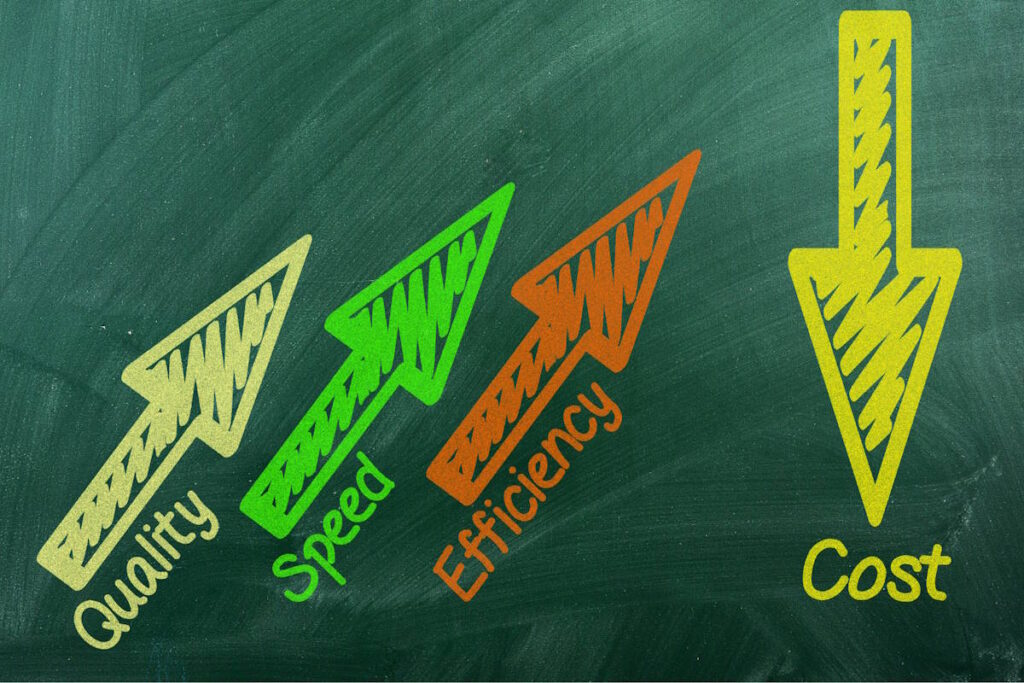
Reducing operating costs doesn’t have to mean sacrificing quality. By carefully analyzing your expenses, embracing technology, streamlining operations, and investing in employee development, you can reduce costs while still maintaining high standards. Remember, the goal is not just to cut costs, but to optimize your operations and increase efficiency. By taking a strategic approach to cost reduction, you can achieve both improved profitability and customer satisfaction, setting your business up for long-term success.