Why OEM & Private Labeling is the Smartest Way to Scale Your Business

Why OEM & Private Labeling is the Smartest Way to Scale Your Business

 If you are looking to scale your business quickly and efficiently, OEM & Private Labeling is the answer. At DhuMall, we offer a game-changing opportunity to rebrand your products and expand your global reach—without the hassle of starting from scratch.


Here’s why OEM & Private Labeling is the smartest choice for your business:

  • Quick Market Entry: Rebrand your products under our exclusive portfolio and instantly gain access to new markets.
  • Global Exposure: Showcase your products on DhuMall’s cutting-edge e-commerce platform, reaching a vast international audience.
  • Cost-Effective: Save on marketing and distribution costs by leveraging our established infrastructure and networks.
  • Performance-Driven Sales: With our global affiliate network and tailored campaigns, your products will get the visibility they deserve, driving higher sales.


By partnering with DhuMall, you can maximize your product’s potential and accelerate growth in competitive markets. Our comprehensive support, from rebranding to sales execution, ensures your business thrives globally.


Join the DhuMall Global Sales Partner Program and experience the power of OEM & Private Labeling today.

Let’s Take Your Business Global—Together!

Harnessing Data-Driven Insights for Smarter Business Decision-Making

Harnessing Data-Driven Insights for Smarter Business Decision-Making

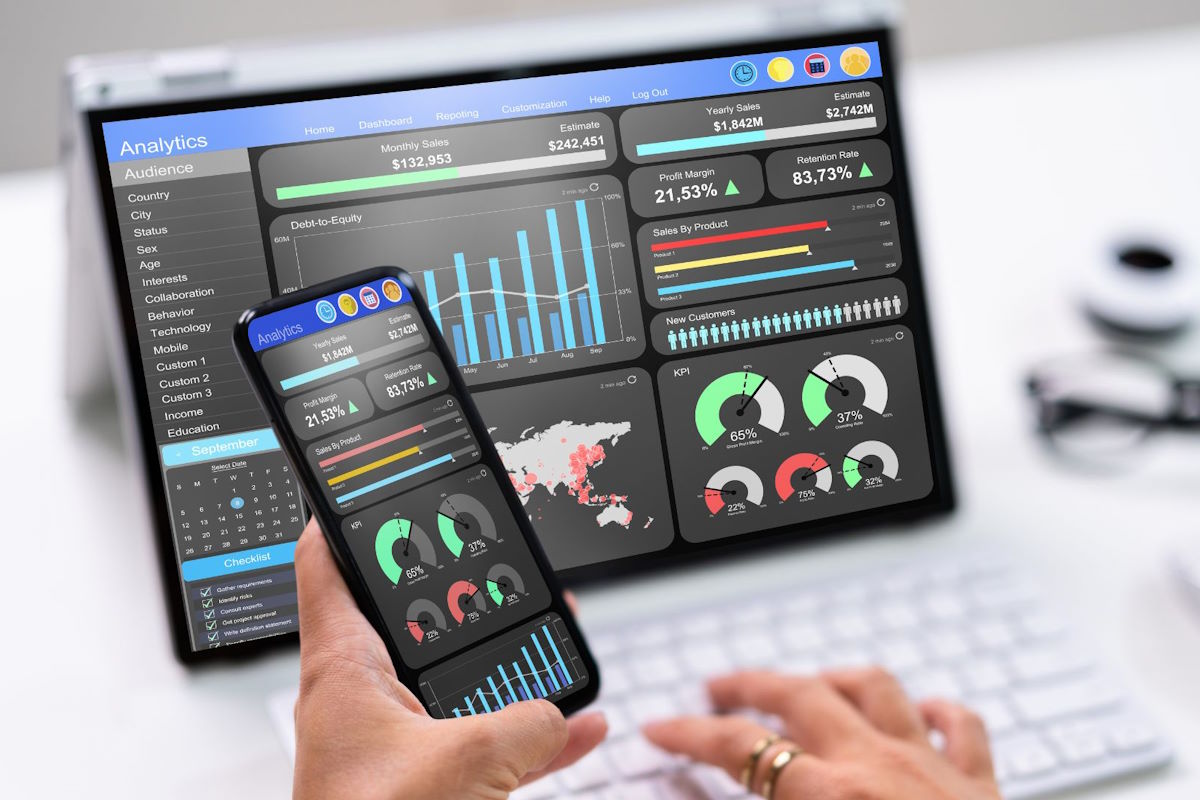
In today’s rapidly evolving business world, the need for smart, informed decision-making is more crucial than ever. With the rise of technology and data analytics, businesses now have the power to leverage vast amounts of data to guide their decisions. Data-driven insights are transforming how companies approach problems, make predictions, and strategize for growth.

Let’s explore how businesses can harness the power of data to make smarter decisions and improve their overall performance.


What Are Data-Driven Insights?

Data-driven insights refer to the valuable information derived from analyzing data. By collecting, processing, and analyzing data, businesses can uncover trends, patterns, and correlations that can help them make informed decisions. Instead of relying on gut feelings or guesswork, companies can base their strategies and actions on objective, concrete data.


The process of obtaining data-driven insights typically involves several steps:

Data Collection: Gathering data from various sources, such as sales reports, customer feedback, website analytics, or social media interactions.

Data Processing: Organizing and cleaning the data to make it usable and relevant for analysis.

Data Analysis: Applying statistical methods, algorithms, and analytical tools to extract meaningful insights from the data.

Decision-Making: Using the insights gained from the data analysis to inform business decisions.


Why Data-Driven Decision-Making is Important

In the past, decision-making in businesses often relied on intuition, experience, or basic observations. While these factors still play a role, relying solely on them can be risky. With the availability of vast amounts of data today, businesses no longer need to make decisions based on limited information or assumptions. Instead, they can turn to data-driven insights to guide their choices.

Here are several reasons why data-driven decision-making is essential:

  1. Improved Accuracy and Precision

Data-driven insights provide companies with accurate and detailed information about customer behavior, market trends, and business performance. This precision helps reduce the likelihood of making errors due to guesswork or incomplete information.

  1. Identifying Opportunities and Risks

By analyzing historical data, businesses can identify emerging trends, potential market opportunities, and risks. For example, a company might notice that a particular product is gaining popularity in certain regions, enabling them to adjust their marketing efforts and focus on those areas for maximum impact. Similarly, data-driven insights can highlight risks, such as declining customer satisfaction or inventory shortages, allowing businesses to take proactive measures.

  1. Better Resource Allocation

With data-driven insights, businesses can determine which areas of their operations require more attention and investment. By understanding where resources are most effectively utilized, companies can allocate budgets, personnel, and other resources more efficiently, leading to better returns on investment (ROI).

  1. Faster Decision-Making

In today’s rapidly evolving, dynamic business world, prompt decision-making is key. Data-driven decision-making allows businesses to make informed choices quickly. Instead of relying on slow manual processes or lengthy deliberations, data helps executives and managers make quick, fact-based decisions.


Key Types of Data That Drive Business Decisions

To make data-driven decisions, businesses need access to relevant types of data. Here are some of the key categories of data that can provide valuable insights:

  1. Customer Data

Customer data is one of the most important types of data for businesses. It includes information such as customer demographics, purchasing behavior, preferences, and interactions with the company. By analyzing customer data, businesses can personalize their offerings, improve customer experiences, and identify new opportunities for growth.

  1. Sales Data

Sales data includes information about transactions, product performance, sales trends, and customer buying habits. Analyzing sales data helps businesses understand which products or services are in demand, which sales strategies are effective, and how to optimize pricing and promotions.

  1. Marketing Data

Marketing data helps businesses measure the effectiveness of their marketing campaigns. This data includes metrics like click-through rates, conversion rates, social media engagement, and website traffic. By analyzing this data, businesses can refine their marketing strategies, target the right audience, and improve their ROI on advertising spend.

  1. Financial Data

Financial data includes revenue, expenses, profits, and other financial metrics. This data is crucial for assessing the financial health of a business, making budget decisions, and forecasting future financial performance.

  1. Operational Data

Operational data relates to the day-to-day activities of the business, such as inventory levels, supply chain performance, production efficiency, and employee productivity. By analyzing operational data, businesses can streamline processes, reduce costs, and improve overall efficiency.

  1. Competitive Data

Competitive data refers to information about competitors’ performance, strategies, and market positioning. This data can help businesses assess their competitive advantage, identify gaps in the market, and develop strategies to outperform competitors.


Tools and Technologies for Data-Driven Decision Making

For businesses to make the most of their data, they need to use the right tools and technologies to collect, process, and analyze data effectively. Below are some popular tools that can help businesses harness data for smarter decision-making:

  1. Business Intelligence (BI) Tools

BI tools allow businesses to analyze data and generate visual reports and dashboards. These tools provide a user-friendly interface that helps decision-makers quickly understand complex data and uncover trends and patterns.

  1. Customer Relationship Management (CRM) Software

CRM systems help businesses manage customer interactions and track customer data. These systems offer valuable insights into customer behavior, sales trends, and marketing effectiveness, enabling businesses to personalize their offerings and improve customer relationships.

  1. Predictive Analytics Tools

Predictive analytics tools use historical data and machine learning algorithms to forecast future trends and outcomes. These tools help businesses anticipate demand, predict customer behavior, and make proactive decisions based on future scenarios.


  1. Data Visualization Tools

Data visualization tools help businesses present their data in a visual format, such as charts, graphs, and heatmaps. These visuals make it easier to identify patterns and trends, enabling decision-makers to act on data insights quickly.

  1. Data Warehousing Solutions

Data warehousing platforms allow businesses to store vast amounts of structured and unstructured data. These solutions help centralize data from multiple sources and make it accessible for analysis.


Real-World Examples of Data-Driven Decision Making

  1. Retail Industry

In the retail industry, companies use data to predict customer preferences and optimize inventory management. By analyzing past purchases, search histories, and customer reviews, these companies can recommend personalized products to customers, create targeted marketing campaigns, and ensure they have the right products in stock at the right time.

  1. Healthcare Sector

In healthcare, data-driven decision-making can save lives. Hospitals and clinics use patient data, medical histories, and treatment outcomes to improve patient care, diagnose illnesses faster, and predict health trends. Machine learning algorithms analyze patient data to identify potential risks and recommend personalized treatment plans.

  1. Financial Services

Financial institutions like banks and insurance companies rely on data analytics to assess risks, predict market movements, and detect fraudulent activities. By analyzing transaction histories, customer behaviors, and market trends, these companies can make more accurate lending decisions, offer better insurance policies, and mitigate potential risks.

  1. Manufacturing

Manufacturers use operational data to improve efficiency and reduce costs. For example, companies use IoT (Internet of Things) sensors to monitor machines, track production data, and predict maintenance needs. This data helps reduce downtime, increase production quality, and optimize supply chains.


Challenges in Implementing Data-Driven Decision Making

Using data to make decisions provides great advantages, yet it comes with its own challenges. Some of the key hurdles businesses may face include:

Data Overload: With the vast amount of data available today, businesses may struggle to focus on the most relevant and actionable insights. Proper data filtering and analysis are essential to avoid information overload.

Data Privacy and Security: Companies must ensure that customer data is protected and complies with privacy regulations. Failing to safeguard sensitive information can lead to legal consequences and damage to reputation.

Lack of Skilled Professionals: Analyzing data effectively requires specialized skills in data science, statistics, and analytics. Many businesses struggle to find and retain skilled professionals to interpret their data accurately.

Cost of Implementation: Implementing data-driven decision-making tools and technologies can be costly. Small and medium-sized businesses may find it challenging to invest in the necessary infrastructure and software.


Harnessing data-driven insights is crucial for businesses looking to make smarter, more informed decisions. By analyzing relevant data, businesses can improve accuracy, identify opportunities and risks, allocate resources efficiently, and make timely decisions. The tools and technologies available today enable companies to unlock the full potential of their data and gain a competitive edge in their industry.

However, businesses must overcome challenges such as data overload, privacy concerns, and the need for skilled professionals to fully leverage data for decision-making. By addressing these hurdles and adopting a data-driven mindset, companies can stay ahead of the competition and thrive in an increasingly data-driven world.

How Green Technologies are Driving Business Innovation in 2025

How Green Technologies Are Driving Business Innovation in 2025

As we step into 2025, businesses across the globe are focusing on innovation that doesn’t just fuel growth but also helps protect the planet. Green technologies are at the forefront of this revolution, driving companies to rethink how they operate. These innovations not only offer solutions to environmental challenges but also present new business opportunities, enabling companies to thrive in a rapidly changing world. By adopting sustainable practices and cutting-edge green technologies, businesses are unlocking new sources of value, gaining competitive advantages, and contributing to a healthier planet.

The Rise of Green Technologies

Green technologies, also known as clean technologies or cleantech, include products, services, and processes that use renewable resources, reduce emissions, and minimize environmental impact. With increasing global concerns about climate change, sustainability has become a key priority for businesses. As a result, green technologies are rapidly evolving, offering innovative ways for companies to cut costs, improve efficiency, and enhance their brand image.

In 2025, there will be a notable shift in the adoption of green technologies. Many businesses now view sustainability as not just a corporate responsibility but also a driver of innovation. Whether it’s through energy-efficient solutions, waste reduction, or eco-friendly products, businesses are embracing these technologies to create long-term value.


Driving Energy Efficiency

One of the biggest drivers of business innovation in 2025 is energy efficiency. Companies are increasingly focused on reducing their energy consumption to lower operational costs and reduce their carbon footprint. The widespread adoption of energy-efficient technologies, such as smart lighting, energy management systems, and renewable energy sources like solar and wind power, has already begun to reshape industries.

For instance, buildings equipped with smart sensors can monitor energy usage and adjust lighting, heating, and cooling automatically based on occupancy and environmental factors. This allows businesses to drastically cut energy consumption while ensuring optimal comfort for employees. Additionally, solar panels and wind turbines are helping companies generate their own renewable energy, reducing their dependence on non-renewable energy sources.

As businesses continue to prioritize energy efficiency, they gain not only cost savings but also the opportunity to differentiate themselves in an increasingly eco-conscious market. Consumers and investors are increasingly favoring companies that prioritize sustainability, making energy-efficient technologies a valuable asset for long-term success.


Waste Reduction and Circular Economy

In 2025, the shift toward a circular economy is becoming a significant trend, with businesses rethinking how they manage waste. In a circular economy, products and materials are reused, refurbished, and recycled, rather than disposed of after use. This reduces waste, conserves resources, and minimizes environmental impact.

Green technologies are enabling businesses to adopt circular economy principles more easily. For example, advanced recycling technologies now allow companies to recycle materials that were previously difficult to process. This includes electronic waste, which has become a growing concern due to the rapid pace of technological innovation.

Some businesses are also exploring new ways to design products for longevity and ease of recycling. For example, modular designs in electronics allow for easier repairs, upgrades, and recycling. Similarly, companies in the fashion and textile industries are exploring sustainable materials and manufacturing processes that reduce waste.

By adopting circular economy practices, businesses are reducing operational costs, improving resource efficiency, and creating more sustainable business models. Additionally, they are meeting the growing demand from consumers who are increasingly aware of the environmental impact of their purchases.


Carbon Capture and Reduction Technologies

As businesses work to reduce their environmental impact, carbon capture and reduction technologies are becoming increasingly important. These technologies help businesses capture carbon dioxide emissions and either store them safely or repurpose them into useful products.

Carbon capture, utilization, and storage (CCUS) technologies have made significant progress in recent years. Some companies are using carbon capture to produce synthetic fuels, while others are turning carbon dioxide into building materials such as concrete. These innovations not only reduce the amount of CO2 released into the atmosphere but also create valuable new products, turning a liability into an asset.

In addition to carbon capture technologies, businesses are also focusing on low-carbon alternatives in their supply chains. For instance, companies are increasingly investing in electric vehicles (EVs) for transportation, shifting away from fossil fuel-powered trucks. This not only helps reduce emissions but also offers businesses a chance to save on fuel costs in the long run.

By adopting carbon reduction technologies, companies can position themselves as leaders in the fight against climate change while gaining access to new revenue streams and meeting regulatory requirements.


Green Manufacturing and Supply Chain Innovations

Green technologies are also transforming the way businesses manufacture products and manage their supply chains. Sustainable manufacturing processes, such as 3D printing, are enabling companies to reduce waste, lower energy consumption, and use fewer materials.

In 2025, additive manufacturing (or 3D printing) has become a key tool for businesses seeking to reduce waste. Unlike traditional manufacturing, which involves cutting, shaping, or assembling materials, 3D printing uses only the precise amount of material needed to create a product, resulting in less waste. This technology is being used in industries ranging from automotive to healthcare, where customized, on-demand products can be produced with minimal resource use.

Furthermore, green supply chains are helping businesses reduce their environmental impact by sourcing raw materials from sustainable sources, optimizing transportation routes to reduce emissions, and using eco-friendly packaging. Technologies like blockchain are helping to increase transparency in supply chains, allowing businesses to track the environmental impact of each stage in the production process.

By investing in green manufacturing and supply chain innovations, businesses not only reduce costs and waste but also enhance their reputation as environmentally responsible companies. Consumers are more likely to support brands that prioritize sustainability, making these innovations essential for success in the modern marketplace.


Sustainable Product Development

Another area where green technologies are driving business innovation is sustainable product development. Consumers today are more informed and environmentally conscious than ever before, pushing companies to develop products that are not only effective but also eco-friendly.

In 2025, businesses are increasingly focusing on designing products with sustainability in mind. This includes using renewable or recyclable materials, reducing the environmental impact of production processes, and designing products for easy repair or disposal at the end of their lifecycle.

One prominent example is the rise of electric vehicles (EVs). As the automotive industry continues to innovate, manufacturers are introducing more energy-efficient, zero-emission vehicles that cater to the growing demand for environmentally friendly transportation. Additionally, businesses in industries like consumer electronics and fashion are incorporating sustainable materials, such as recycled plastics and organic cotton, into their products.

Sustainable product development offers businesses a chance to tap into a new market of eco-conscious consumers while reducing their environmental footprint. By focusing on green innovation, companies can create products that align with consumer values and drive long-term growth.


Green Technologies and Business Profitability

While adopting green technologies often involves an initial investment, the long-term financial benefits are substantial. Companies that embrace sustainability not only lower their operational costs but also gain access to new markets, increase their resilience to regulatory changes, and build stronger relationships with customers and investors.

For example, by implementing energy-efficient technologies, businesses can reduce their energy bills and operational costs. Similarly, adopting circular economy principles can help companies minimize waste disposal fees and recover valuable materials from their products. In addition, many governments around the world offer incentives and tax breaks for businesses that invest in green technologies, further improving the financial viability of these investments.

Green technologies also help companies mitigate risks associated with climate change and resource scarcity. As the world moves toward a more sustainable future, businesses that fail to adopt green practices may face increased regulation, higher costs, and reputational damage. In contrast, companies that embrace sustainability will be better positioned to thrive in an increasingly eco-conscious world.


In 2025, green technologies are not just a trend—they are an essential part of business strategy. By adopting energy-efficient solutions, reducing waste, and leveraging sustainable manufacturing processes, businesses can drive innovation while contributing to a more sustainable future. As consumers and investors increasingly prioritize sustainability, companies that embrace green technologies will not only protect the planet but also unlock new opportunities for growth and profitability. The future of business is green, and those who act now will reap the benefits for years to come.

Finding the Right Business Partners: How Strategic Matching Accelerates Growth

Finding the Right Business Partners:
How Strategic Matching Accelerates Growth

In today’s competitive landscape, business success depends not only on the products and services you offer but also on the strategic partnerships you form. These partnerships unlock new opportunities, accelerate business growth, and pave the way for long-term success. However, identifying the right business partner is not always an easy task. Beyond shared goals or similar industries, the right partnership is built on trust, complementary strengths, and mutual goals. This is where DhuMall Global Business Matching Services plays a crucial role.

DhuMall Global Business Matching Services connects businesses to ideal customers, partners, and resources. By leveraging expert insights into various markets, industries, and cultures, businesses can establish valuable, strategic partnerships.

Let’s explore how strategic matching can help you find the right business partners and accelerate your business growth.


Why the Right Business Partner is Essential for Growth

The right partner can have a significant impact on your business. Here’s how:

  • Expand Reach: Partners open doors to new markets and customer segments that you may not have access to otherwise. Whether you are seeking geographic expansion or exploring a new industry, a strong partner can provide valuable local insights and networks.
  • Enhance Resources and Capabilities: A well-chosen partner can offer specialized knowledge, technology, or access to a larger customer base. Working together allows businesses to complement each other’s strengths and fill in gaps in resources and expertise.
  • Boost Credibility and Trust: Associating with a reputable partner can elevate your brand’s credibility. This builds trust among customers and business peers, which can ultimately lead to increased sales and better business relationships.
  • Share Risk: Entering new markets or launching products involves risk. A strategic partner can help share that risk, making new ventures more manageable and less daunting.

However, identifying the right partner requires time, effort, and expertise. That’s where strategic business matching services come in.

How Strategic Business Matching Works

Global business matching services, like those offered by DhuMall, help businesses connect with the right partners by leveraging a vast network of industry leaders, decision-makers, and experts from around the world. Here’s how the process works:

Assessing Your Business Needs: Before any matchmaking takes place, businesses must evaluate their specific needs. Whether it’s accessing new markets, gaining additional resources, or tapping into complementary expertise, understanding these requirements is essential for identifying the right partner. Business matching services then analyze your needs and begin identifying potential partners that align with your objectives.


Tailored Matchmaking: A high-quality matchmaking service doesn’t just consider industry or location. At DhuMall, expert advisors assess business goals, cultural nuances, market needs, and growth potential when selecting partners. This personalized approach ensures that partnerships aren’t just transactional but are built on mutual value and long-term success.


Facilitating Connections: Once suitable partners are identified, the next step is connecting businesses. Strategic matching services facilitate virtual or in-person meetings, providing a platform for relationship-building and strategic discussions. These meetings help both parties assess compatibility and explore the potential for collaboration.


Ongoing Support: Post-introduction, ongoing support is crucial for the successful development of the partnership. A dedicated account manager assists throughout the process, addressing any issues and ensuring that both parties stay aligned with their shared goals. This support is key to maintaining smooth operations and fostering long-term collaboration.


How Strategic Matching Accelerates Growth


Strategic business matching accelerates growth in several powerful ways:

  • Access to a Global Network: One of the greatest advantages of global business matching services is the opportunity to tap into an expansive network. DhuMall connects businesses to over 200 countries and regions, introducing them to potential partners across industries. Whether you want to enter new markets or explore emerging regions, business matching services provide access to key decision-makers and organizations that can help your business thrive.
  • Industry Expertise and Market Insights: Global business matching services provided by DhuMall bring valuable industry expertise and market insights. By understanding regional cultures, regulations, and market specifics, these services ensure that business matches are not just financially beneficial, but also culturally appropriate. This promotes smoother collaboration and better outcomes.
  • Scalable Solutions for Every Business: Whether you are a startup or a multinational corporation, DhuMall’s global business matching services are adaptable. For startups, the focus may be on gaining initial funding or identifying suppliers, while larger corporations may seek joint ventures or international market expansion. Tailored services ensure that businesses of all sizes can find the right partners based on their current needs and future growth.
  • Streamlined Process from Start to Finish: Global business matching services delivered by DhuMall offer end-to-end support, simplifying the process from the first introduction to deal closure. This reduces the complexity of navigating international business practices, and cultural With these services, businesses can focus on building productive, long-term relationships.
  • Exclusive Opportunities: Business matching services like DhuMall offer unique connections that might be difficult to obtain elsewhere. These exclusive opportunities give businesses an edge over competitors and help them enter markets or form partnerships that could have been beyond their reach.


Why Choose Strategic Matching?

Using DhuMall global business matching services allows businesses to accelerate their growth trajectory in a fast-paced, interconnected world. The strategic matching process—providing global reach, industry insights, cultural understanding, and exclusive opportunities—enables businesses to form partnerships that drive long-term success. With the right connections, businesses can expand their reach, enhance capabilities, and open doors to new opportunities in both domestic and international markets.

In today’s competitive landscape, forming the right partnerships is key to staying ahead. Global business matching services that DhuMall delivers can provide the resources, support, and expertise necessary to form these critical relationships. By unlocking the potential of the right partnerships, businesses can fuel growth that might have otherwise been hard to attain.

Explore the global business matching services offered by DhuMall and start connecting with the right partners today!


Sign Up Now

To

Find the Right Business Partners

And

Accelerate Your Business Growth Through Strategic Matching.


Business Growth Made Simple: How Expert Business Development Unlocks New Opportunities

Business Growth Made Simple: How Expert Business Development Unlocks New Opportunities

In today’s fast-paced business world, achieving sustainable growth can seem like a daunting task. Whether you’re just starting out or looking to expand into new markets, the challenges can feel overwhelming. But what if you had an expert by your side to guide you through every step of the process? This is where DhuMall business development services come into play.

Business development isn’t just about closing deals; it’s about building a solid foundation for your company’s future. With the right strategy, tools, and support, business development can open doors to new opportunities, increase profitability, and help you scale your business.

Let’s explore how DhuMall’s expert business development services can simplify growth and unlock new opportunities for your business.


What is Business Development?

At its core, business development is the process of identifying new opportunities, expanding into new markets, and improving the overall performance of a business. It involves creating and implementing strategies to increase sales, build partnerships, and grow the company’s customer base. However, business development goes beyond just increasing revenue—it’s about creating a long-term, sustainable plan for success.

What sets DhuMall business development services apart is our ability to craft tailored strategies that meet your unique needs. Whether you are looking to franchise, explore licensing opportunities, or expand into international markets, our expert services provide comprehensive support to help you achieve your goals.


Franchise Development: Transforming Your Business Into a Scalable Model

One of the most effective ways to expand a business quickly is through franchising. A well-designed franchise model allows you to grow your brand with minimal capital investment while maintaining control over operations. However, franchising requires careful planning and expertise to ensure success.

This is where our expert business development services come in. With DhuMall’s franchise development services, businesses can assess the feasibility of turning their business into a franchise, design a scalable business model, and recruit the right franchise partners. From creating operational manuals to developing marketing strategies and financial structures, our franchise expert can help you build a comprehensive system that supports consistent growth and brand integrity.

The benefits of franchising are significant. First, it allows you to expand your reach without the need for heavy investment. Second, it ensures consistent brand representation across all locations. And third, it helps you build a network of franchisees who are motivated to grow your brand under your guidance. With the right franchise development plan in place, your business can experience rapid growth while maintaining control and quality.


Licensing Opportunities: Growing Your Brand Without Additional Investment

Another avenue for growth is through licensing. Licensing allows you to generate additional revenue streams by letting others use your intellectual property or brand in exchange for fees or royalties. This can include anything from allowing others to manufacture your products to licensing your brand for use in other markets.

Our expert business development services help you identify the right licensing opportunities for your business. Our well-experienced professionals can assist you in structuring licensing agreements that protect your brand and intellectual property while also maximizing profitability. By identifying suitable partners, drafting legal and financial agreements, and offering ongoing support, we ensure your licensing deals remain successful.

Licensing offers a host of benefits for businesses looking to expand without taking on significant risks or investments. It’s a great way to generate passive income, expand your brand’s presence globally, and protect your intellectual property. With the right support, licensing can be a powerful tool for scaling your business and reaching new markets.


International Market Expansion: Taking Your Business Global

For many businesses, the next logical step is to expand internationally. However, entering foreign markets can be complex. There are cultural nuances to consider, regulatory requirements to meet, and logistical challenges to address. That’s where our expert business development services truly shine.

When expanding internationally, it’s crucial to have a clear market entry strategy. Our business development experts can help you identify the best expansion opportunities, whether that’s through joint ventures, partnerships, or direct investment. They can also help navigate the regulatory landscape, ensuring compliance with local laws while tailoring your products or services to meet the unique needs of each market.

Additionally, logistics and supply chain management are key components of international expansion. Our business development services can streamline global operations to ensure smooth delivery and distribution. With targeted marketing strategies and brand localization, our proficient experts can help your business establish a strong local presence in new markets, which is essential for success.

Expanding internationally offers significant rewards. It allows you to tap into new customer bases, increase revenue streams, and diversify your business. With our expert guidance, you can reduce risks, build a solid foundation in new markets, and achieve sustainable growth on a global scale.


The Value of Tailored Business Development Services

What makes DhuMall’s expert business development services so effective is their focus on tailored solutions. No two businesses are alike, and what works for one company may not work for another. That’s why it’s crucial to work with qualified professionals who understand your unique challenges and opportunities.

Our business development services offer customized strategies designed to meet your specific needs. Whether you’re looking to expand locally or internationally, franchise your business, or explore new revenue streams, our specialists can create a plan that aligns with your goals. They provide continuous support, helping you every step of the way, from initial planning to ongoing execution.

The result? Your business can scale more efficiently, reduce risks, and achieve long-term success.


How Our Expert Business Development Services Simplifies Your Business Growth

The process of growing a business can be overwhelming, especially when you’re trying to navigate complex markets, build new partnerships, and maintain operational efficiency. Our business development services simplify this process by providing expert guidance and hands-on support.


DhuMall’s business development experts can simplify business growth for you through:

Strategic Insights: Our business development services offer valuable insights into market trends, competitive landscapes, and customer preferences, helping you make informed decisions.

Reduced Risks: Our experts help you identify and mitigate risks when entering new markets or launching new initiatives, ensuring smoother transitions and fewer obstacles.

End-to-End Support: From market research to execution, DhuMall’s expert-led business development services provide comprehensive support, so you don’t have to worry about managing every detail on your own.

Scalability: With the right strategies in place, your business can scale quickly and efficiently, expanding its reach while maintaining quality and consistency.


At DhuMall, our tailored business development solutions are designed to help you navigate the complexities of expansion and accelerate growth. Let’s work together to turn opportunities into real success.

Key Strategies for Improving Cross-Functional Collaboration in Global Teams

Key Strategies for Improving Cross-Functional Collaboration in Global Teams

In today’s globalized world, cross-functional collaboration is essential for the success of businesses. Teams that incorporate diverse individuals from different departments, regions, and backgrounds bring a wealth of perspectives, leading to more innovative solutions. However, managing and improving collaboration across such teams can be challenging. Cultural differences, time zone issues, and differing working styles can create barriers to effective communication and productivity.

Improving cross-functional collaboration in global teams requires a set of key strategies. Let’s explore these strategies in detail.

  1. Foster Clear and Open Communication

Clear and effective communication is key to successful collaboration. In global teams, communication can be hindered by language barriers, cultural differences, and varying expectations. To overcome these challenges, it is essential to establish clear communication guidelines and ensure that everyone is on the same page.

    • Set Communication Expectations: Establishing guidelines for how and when team members should communicate can reduce confusion. This includes deciding on the primary communication channels (e.g., email, chat apps, video calls), defining response times, and setting expectations for how updates should be shared. Clear communication expectations prevent misunderstandings and ensure that information flows smoothly.
    • Be Culturally Sensitive: Cultural differences can affect how people communicate. For instance, some cultures may favor direct communication, while others may prefer a more indirect approach. Understanding these differences and adapting communication styles accordingly can help avoid misunderstandings. Encourage team members to be respectful and open-minded when communicating across cultures.
    • Use the Right Tools: Utilize communication tools that support both synchronous and asynchronous communication. Real-time communication tools enable instant interaction, while email or project management platforms facilitate communication that doesn’t require immediate responses. Ensuring that all team members have access to these tools and are comfortable using them will help streamline communication and enhance collaboration.


  1. Encourage Regular and Structured Meetings

Meetings are a vital part of cross-functional collaboration, especially in global teams. However, without structure, meetings can become unproductive. It’s important to establish regular check-ins to ensure that everyone stays aligned, shares updates, and addresses challenges.

    • Schedule Regular Touchpoints: Regular meetings—whether weekly or bi-weekly—help ensure that team members stay on track with their tasks and remain engaged in the project. Be mindful of time zone differences when scheduling meetings, so that all members can participate. If necessary, rotate meeting times to give everyone a fair chance to join.
    • Set Clear Agendas: Every meeting should have a defined purpose and agenda. This helps keep the discussion focused and ensures that everyone understands what needs to be accomplished. Share the agenda in advance so that team members can come prepared with relevant input or questions.
    • Encourage Active Participation: Make sure that every team member has an opportunity to contribute during meetings. Use techniques like ‘virtual hand-raising’ to ensure that everyone’s voice is heard. Encourage active listening and avoid dominating the conversation. This not only improves the quality of discussions but also builds trust and a sense of inclusion.
    • Record and Share Meeting Notes: For team members who are unable to attend due to time zone differences, recording meetings and sharing detailed notes is essential. This ensures that everyone is kept in the loop and can follow up on any action items.


  1. Build Trust and Relationships Across Functions

Trust is the cornerstone of effective collaboration. When team members trust each other, they are more likely to share ideas, collaborate openly, and contribute to the team’s success. However, building trust in a global team can be challenging due to distance and lack of face-to-face interaction.

    • Encourage Informal Interactions: While work-related meetings are essential, informal interactions can also help build trust. It can give team members a chance to get to know each other outside of work. These small interactions help humanize the team and foster relationships.
    • Promote Transparency: Be open about goals, expectations, and challenges. Transparency fosters trust by showing team members that they are being kept in the loop. When people feel informed and included, they are more likely to collaborate effectively.
    • Value Team Efforts: Show appreciation for everyone’s contributions. Openly recognizing their hard work not only boosts morale but also reinforces a culture of trust and mutual respect. Make sure to celebrate successes, both big and small.


  1. Align Goals and Expectations

Cross-functional teams often work on complex projects that require the coordination of multiple departments. If team members are unclear about their roles or the overall goals, collaboration can suffer. It is essential to align team members around common objectives to ensure that everyone is working toward the same vision.

    • Define Clear Roles and Responsibilities: At the beginning of a project, make sure that everyone understands their role and what is expected of them. A well-defined role reduces confusion and ensures that tasks are evenly distributed. This also prevents overlap in responsibilities, which can cause friction.
    • Set Shared Goals: To ensure that everyone is working toward the same objective, establish clear and measurable goals for the entire team. This alignment helps keep everyone focused on the bigger picture and reduces the likelihood of team members working at cross-purposes.
    • Regularly Review Progress: Periodically review the team’s progress toward its goals. Regular progress reviews help identify any obstacles early on and allow the team to course-correct if needed. It also provides an opportunity to celebrate achievements and reinforce the shared commitment to the project.


  1. Leverage Technology for Collaboration

Technology plays a crucial role in enhancing collaboration in global teams. From communication tools to project management software, there are numerous digital solutions available to streamline workflows and improve productivity.

    • Use Project Management Tools: Project management tools help organize tasks, track progress, and assign responsibilities. These tools provide a visual overview of the project and allow team members to collaborate on tasks in real-time, ensuring that everyone stays aligned.
    • Utilize Cloud Storage and File Sharing: Cloud storage platforms allow teams to store and share files in a central location. This reduces the risk of version control issues and ensures that everyone has access to the most up-to-date information, improving efficiency.
    • Implement Virtual Collaboration Platforms: Video conferencing tools enable real-time collaboration, allowing team members to interact face-to-face, regardless of their location. These platforms are essential for building trust and fostering effective communication within the team.
    • Create Collaborative Documents: Shared documents and collaborative platforms enable team members to work together in real-time, edit content, and leave comments. This fosters a sense of collective ownership over the work and makes collaboration more seamless.


  1. Support Cultural Awareness and Diversity

Global teams are often composed of individuals from diverse cultural backgrounds. While this diversity can be an asset, it can also pose challenges in terms of communication and work styles. To improve collaboration, it is important to encourage a spirit of cultural awareness and inclusivity.

    • Provide Cultural Sensitivity Training: Offering training programs on cultural awareness can help team members understand and appreciate differences in communication styles, work ethics, and social norms. This knowledge will enable team members to navigate potential misunderstandings more effectively.
    • Promote Inclusivity: Encourage all team members to contribute their ideas and perspectives. Foster an environment where everyone feels valued, regardless of their background or role within the team. Inclusivity helps build trust and enhances creativity by allowing diverse viewpoints to be heard.
    • Celebrate Cultural Differences: Embrace and celebrate the cultural diversity within the team. This could involve celebrating different holidays, learning about each other’s traditions, or organizing cross-cultural team-building activities. Doing so creates a sense of belonging and strengthens team bonds.


  1. Invest in Team-Building Activities

Effective cross-functional collaboration is not just about work—it’s also about building strong relationships and trust among team members. Team-building activities are an excellent way to strengthen interpersonal connections and improve collaboration.

    • Organize Virtual Team-Building Activities: While in-person team-building events may not always be possible in global teams, virtual activities can still be effective. Virtual games, online brainstorming sessions, or collaborative challenges can help break down barriers and improve teamwork.
    • Encourage Cross-Departmental Collaboration: Organizing cross-functional workshops or training sessions allows team members from different departments to collaborate in a relaxed setting. These sessions can help eliminate barriers between groups, promote knowledge-sharing, and encourage a more holistic approach to problem-solving.
    • Celebrate Milestones Together: Celebrating project milestones or team achievements can reinforce a sense of unity and accomplishment. Whether through virtual celebrations or sending small gifts, these moments of recognition help to boost morale and strengthen team bonds.


A collaborative and cohesive global team is fully capable of driving innovation, solving complex problems, and achieving business success in today’s interconnected world.

By adopting the strategies discussed above, organizations can improve cross-functional collaboration in their global teams, ensuring they are more effective, productive, and united—ultimately driving the success of both the team and the business.

Trends in Employee Engagement: What Works in 2025

Trends in Employee Engagement: What Works in 2025

Employee engagement is the catalyst that fuels business success. In today’s rapidly changing work environment, companies must discover new ways to keep their employees motivated, satisfied, and productive. As we step into 2025, the concept of employee engagement is evolving with innovative trends emerging to meet the expectations and demands of a diverse, tech-savvy, and purpose-driven workforce.

Let’s explore the trends in employee engagement that are shaping the workplace in 2025.


Flexibility in Hybrid and Remote Work

One of the most significant changes in the workplace over the past few years has been the rise of remote and hybrid work models. In 2025, flexibility in where and how employees work will continue to be a crucial factor in engagement.

Employees are no longer willing to settle for rigid work hours and traditional workspaces. Many workers now expect the ability to choose between working from home, the office, or a combination of both. Companies that fail to offer flexible working arrangements risk losing valuable talent.

To foster engagement in this new era, organizations must provide the right tools, support, and communication channels to help employees stay connected, whether they are working remotely or in the office. This includes investing in technologies such as video conferencing, project management software, and collaboration platforms that make it easier for teams to work together seamlessly, regardless of location.


Personalized Employee Experiences

Another major trend in employee engagement in 2025 is the shift towards personalized employee experiences. In the past, organizations often treated employees as a homogenous group, assuming that one-size-fits-all solutions would work for everyone. However, in 2025, companies are recognizing the importance of understanding the unique needs and preferences of their individual employees.

Personalization in engagement can take many forms. For example, companies may tailor benefits packages to suit the diverse needs of their workforce, offer personalized career development plans, or provide flexible working hours based on individual preferences.

Technology plays a key role in delivering personalized experiences. AI-driven tools can analyze employee data to create more customized engagement strategies, from recommending training programs to suggesting wellness initiatives that align with employees’ personal goals.


Well-being and Mental Health Support

The importance of employee well-being has been growing for several years, but in 2025, it will be more important than ever. Mental health issues, burnout, and work-related stress continue to affect employees across industries. Companies that prioritize employee well-being, including mental health, are likely to see higher levels of engagement and retention.

In 2025, companies are likely to increase their focus on providing mental health support, both through resources and policies. This might include offering access to therapy sessions, mental health days off, stress-management workshops, and employee assistance programs.

Additionally, fostering a culture of open communication around mental health will help to reduce stigma and encourage employees to seek help when they need it. Leaders and managers will need to be more attuned to the emotional well-being of their teams, helping them navigate challenges in a supportive and empathetic way.


Employee Development and Upskilling

Employee development is a major factor in engagement, and as the demand for new skills continues to grow, upskilling will be one of the key trends in 2025. Employees want to feel that they are growing and evolving within their roles, and companies need to provide them with the resources to do so.

Offering continuous learning opportunities, such as online courses, workshops, and mentoring programs, can boost engagement by showing employees that the company values their personal and professional growth.

Upskilling is not only beneficial for employees, but it also helps businesses stay competitive in a rapidly changing business environment. As technology advances, new skills are constantly in demand. Companies that provide their employees with opportunities to learn new technologies, methodologies, and leadership skills will have a more engaged and capable workforce.


Recognition and Reward Systems

In 2025, the way employees are recognized and rewarded is evolving. Employees want more than just a paycheck; they want to feel valued and appreciated for their contributions. Companies that fail to provide meaningful recognition may see decreased levels of engagement and motivation.

Traditional rewards like bonuses and promotions are still important, but in 2025, companies are shifting toward more personalized and frequent recognition strategies. This includes recognizing employees for their achievements through peer-to-peer recognition programs, team celebrations, and non-monetary rewards like extra time off or professional development opportunities.

Technology can help streamline and enhance recognition programs. Platforms that allow employees to give and receive feedback or recognize each other’s achievements in real time can create a culture of constant appreciation.


Purpose-Driven Work Culture

More and more employees are seeking purpose-driven work in 2025. They want to feel that their work contributes to something larger than themselves, whether it’s the success of the company or a greater societal cause. Companies that align their business goals with a strong sense of purpose are likely to have more engaged employees.

Having a clear and compelling mission, values, and social responsibility initiatives can attract top talent and keep employees engaged. Companies should focus on communicating their purpose and how employees’ individual roles contribute to achieving that purpose.

In addition to organizational purpose, employees are also increasingly interested in the ethics and values of the companies they work for. Companies that prioritize sustainability, diversity, equity, and inclusion (DEI), and corporate social responsibility (CSR) efforts will attract employees who feel that their personal values align with the company’s mission.


AI and Automation in Employee Engagement

In 2025, artificial intelligence (AI) and automation will play an increasingly important role in employee engagement. While there are concerns about AI taking jobs, when used correctly, it can actually enhance the employee experience.

AI can be leveraged to streamline administrative tasks, such as scheduling, payroll, and performance tracking, allowing HR teams to focus more on strategic initiatives like employee engagement. Chatbots and virtual assistants can help employees quickly find the information they need, improving efficiency and satisfaction.

Moreover, AI can be used to monitor employee sentiment and engagement through surveys, feedback platforms, and performance analytics. By identifying trends in employee satisfaction and well-being, organizations can respond more quickly to potential issues before they lead to disengagement or turnover.


Inclusivity and Diversity Initiatives

Diversity, equity, and inclusion (DEI) will remain a top priority for companies in 2025. A diverse and inclusive workplace is not only a moral imperative but also a key driver of employee engagement. Employees who feel respected and valued, regardless of their background, are more likely to be motivated and productive.

In 2025, organizations will need to take more proactive steps to build inclusive environments. This includes developing diversity training programs, ensuring fair hiring practices, offering mentorship opportunities for underrepresented groups, and providing a platform for employees to voice their concerns.

Fostering an inclusive culture can improve team collaboration, spark innovation, and increase overall engagement by making all employees feel like they belong.


Agile Leadership and Empowering Employees

Leadership in 2025 will need to be more agile and adaptive than ever before. Employees are increasingly looking for leaders who are not just managers but also mentors and coaches. Agile leadership focuses on empowering employees to take ownership of their work, make decisions, and solve problems independently.

Managers who are approachable, empathetic, and transparent will help build trust and open communication channels, which are essential for employee engagement. Leaders must also be able to adapt quickly to changes in the work environment, whether it’s shifting project priorities or evolving technological trends.

Empowering employees by involving them in decision-making processes and giving them more autonomy over their work will foster a greater sense of engagement and job satisfaction.


As we move into 2025, employee engagement will continue to be a critical component of organizational success. Companies must adapt to the changing expectations of their workforce by offering flexibility, personalized experiences, well-being support, continuous development opportunities, and meaningful recognition.

The integration of technology, such as AI, will also play a crucial role in streamlining engagement efforts and monitoring employee sentiment. Above all, fostering an inclusive and purpose-driven culture will be key to ensuring that employees feel valued and motivated.

By embracing these trends, companies can create a workplace environment where employees are not just engaged but also empowered to succeed and thrive.