The Future of Franchising: Trends and Opportunities You Need to Know

The Future of Franchising: Trends and Opportunities You Need to Know
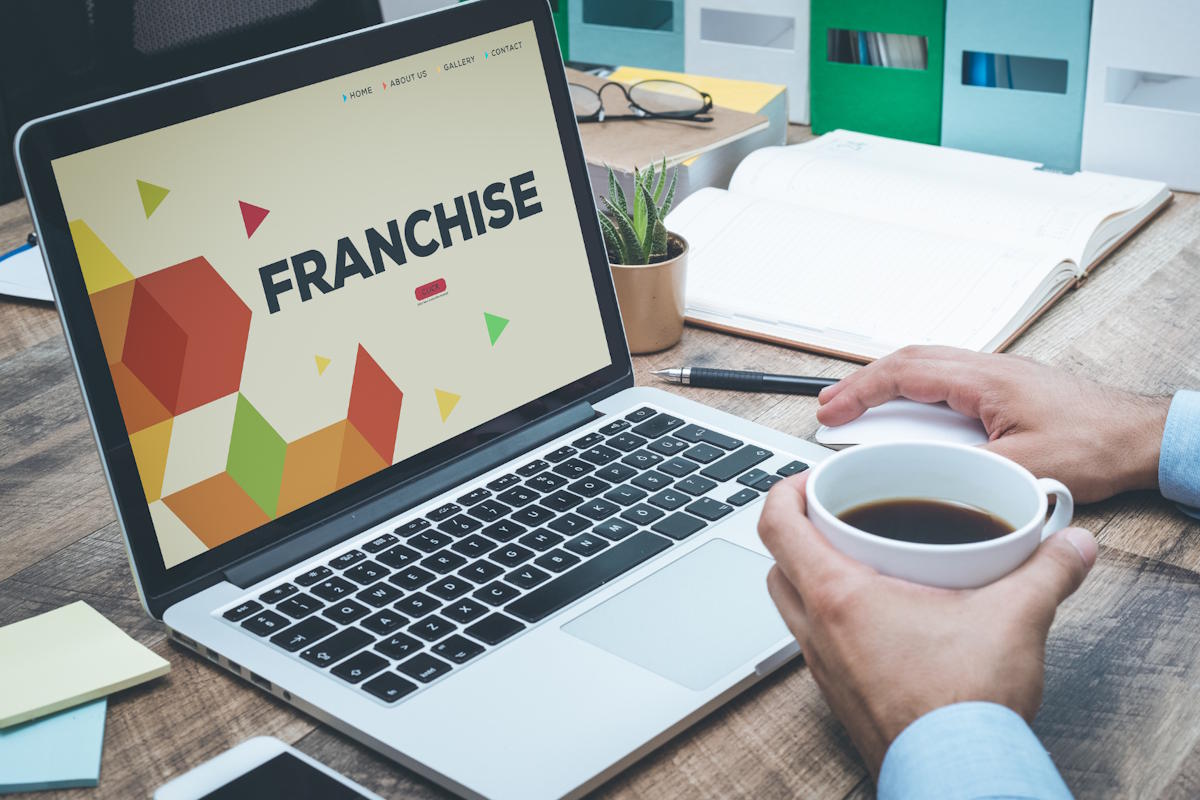
The franchising landscape in 2026 is no longer just about fast food and retail. It has evolved into a high-tech, service-oriented ecosystem driven by shifting consumer values and rapid technological integration. For entrepreneurs and established brands alike, staying ahead of these trends is the difference between stagnant growth and a scalable legacy.

  1. The Rise of “Asset-Light” and Service-Based Models

One of the most significant shifts this year is the move toward low-overhead, high-demand service franchises. With real estate costs remaining high, many investors are looking for “asset-light” opportunities that don’t require a traditional storefront.

    • Home & Property Services: As people stay in their homes longer, services like AI-driven home maintenance, green-certified cleaning, and “Blue-Collar Gold” (HVAC, plumbing, and restoration) are booming.
    • Pet Wellness: Beyond simple grooming, 2026 has seen a surge in specialized pet physical therapy, mobile vet care, and subscription-based holistic nutrition.
    • Healthspan Centers: The wellness sector has pivoted from generic gyms to “performance labs” offering IV therapy, metabolic testing, and cognitive-fitness hybrids.


  1. AI as a “Collaborative Partner”

Artificial Intelligence has moved past being a buzzword to becoming a baseline operational requirement. In 2026, the best franchise systems use AI not to replace humans, but to make them hyper-efficient.

    • Predictive Operations: Franchisors now use AI for “predictive staffing” based on weather patterns and local events, significantly reducing labor waste.
    • GEO (Generative Engine Optimization): Franchisees are shifting focus from traditional SEO to GEO, structuring their digital presence so AI agents (like ChatGPT and Gemini) recommend their specific local branch to users.


  1. Niche Markets and “Circular” Concepts

Sustainability and specialization are the twin engines of new franchise growth. Modern consumers, particularly Gen Z and Millennials, are gravitating toward mission-driven brands.

    • Circular Retail: Franchises focusing on upcycled fashion, electronics repair, and composting services are gaining massive traction.
    • Pickleball & Active Lifestyle: Specialized recreational venues that bundle community, coaching, and recovery services are filling the gaps left by traditional big-box gyms.
    • Senior Transition Services: With an aging population, franchises that handle “move-management” and home modifications for seniors are seeing record-high demand.


  1. Institutional Interest and Professionalization

Franchising is increasingly viewed as a scalable asset class. We are seeing a “professionalization” of the industry, where private equity firms are rolling up multi-brand platforms. This means better technology and more robust support systems for individual franchisees, but it also means a higher bar for entry in terms of operational excellence.

Key Takeaway: Success in 2026 belongs to the “hybrid” model combining the seamless digital convenience of AI with the irreplaceable trust of a local, human business owner.


Your Gateway to Global Growth

Navigating these trends requires more than just a good idea; it requires a powerful network and a visible platform. Whether you are a business owner looking to scale your brand through franchising or an investor seeking the next big opportunity, the right partner makes all the difference.


DhuMall iHotBiz is the world’s premier international franchising and business opportunities listing platform. We connect high-caliber entrepreneurs with top-rated brands across 200 countries, offering pre-screened leads, professional profiling, and the strategic support needed to expand your footprint globally.


Ready to turn these trends into your next triumph? Explore the future of business and list your brand today on the iHotBiz Business Opportunities Portal.


The SME Survival-to-Scale Blueprint for 2026: Practical AI & Automation

The SME Survival-to-Scale Blueprint for 2026: Practical AI & Automation

As SMEs step into 2026, efficiency and productivity have become critical differentiators. Businesses can no longer rely solely on manual processes or traditional methods to stay competitive. Artificial Intelligence (AI) and automation offer practical solutions that help SMEs save time, reduce costs, and increase revenue—without the need for massive budgets or large tech teams.

Why Practical AI Matters for SMEs

AI isn’t just a buzzword—it’s a tool that can transform day-to-day operations. However, many SMEs hesitate to adopt AI, fearing complexity, high costs, or uncertain returns. The key is to focus on practical applications that provide measurable impact quickly.

When implemented thoughtfully, AI and automation can:

  • Free up employee time from repetitive tasks.
  • Provide actionable insights from data to make better decisions.
  • Enhance customer experience through personalization and faster service.

The goal is not to chase the latest technology trend, but to use tools that directly improve efficiency and profitability.

Step 1: Automate Repetitive Tasks

Every SME has tasks that consume time but add little strategic value. Automation can handle these efficiently:

  • Invoicing and billing: Automate recurring invoices and payment reminders to reduce delays.
  • Customer service: Implement chatbots for frequently asked questions and support ticket routing.
  • Social media posting: Schedule posts in advance to maintain consistent engagement without daily effort.

By automating these tasks, SMEs can focus on higher-value activities, such as business development, strategy, and client engagement.

Step 2: Use AI for Data-Driven Decisions

Decision-making is often hindered by incomplete or scattered data. AI tools can help SMEs:

  • Analyze sales trends to predict future demand.
  • Identify which marketing campaigns generate the best ROI.
  • Highlight operational inefficiencies that can be corrected proactively.

Even without a dedicated data team, AI can provide insights that drive smarter, faster business decisions.

Step 3: Personalize Marketing and Customer Experience

Today’s customers expect relevant, personalized interactions. AI enables SMEs to deliver:

  • Customized email campaigns based on customer behavior and preferences.
  • Product recommendations tailored to individual buying patterns.
  • Timely follow-ups to improve retention and repeat business.

💡 Pro Tip: Start small. Implement AI for a single process, measure the results, and scale gradually. Early wins build confidence and momentum for broader adoption.

Step 4: Keep Implementation Simple

A common mistake is trying to automate everything at once. For SMEs, simplicity is key:

  • Select one or two processes that consume the most time or resources.
  • Choose tools that integrate easily with existing systems.
  • Train your team on using AI effectively to reduce resistance.

The objective is measurable impact, not complexity. Even small improvements can free up significant time and resources over months.

Step 5: Monitor, Adapt, and Scale

AI and automation are not “set and forget.” Continuous monitoring ensures:

  • Tasks are running as intended.
  • Data insights remain relevant to evolving business needs.
  • Opportunities to expand automation into other areas are identified.

💡 Remember: The ultimate goal is to use AI to enhance human capabilities, not replace them.

Conclusion: Efficiency That Drives Growth

Practical AI and automation are essential components of the SME Survival-to-Scale Blueprint for 2026. They allow businesses to work smarter, reduce operational stress, and focus on growth opportunities. By automating repetitive tasks, leveraging AI insights, personalizing customer interactions, keeping implementation simple, and continuously monitoring results, SMEs can transform efficiency into tangible growth.

For SMEs in 2026, those who adopt practical AI early will not only survive—they will scale faster, smarter, and more sustainably.

The Psychological Impact of Global Business Award Nominations on Corporate Culture

The Psychological Impact of Global Business Award Nominations on Corporate Culture

In the high-stakes world of international commerce, a nomination for a prestigious award is often viewed through the lens of marketing or brand equity. However, the true transformation happens internally. Beyond the trophies and the press releases lies a profound psychological shift that can redefine an organization’s DNA.

When a company is nominated for an honor like the Global Golden Business Awards 2026, it sends a powerful signal through the hallways: “What we do matters, and the world is watching.”


The Neurochemistry of Recognition

At its core, the impact of an award nomination is rooted in human biology. Psychologically, being “shortlisted” or nominated triggers a significant release of dopamine and oxytocin across the workforce.

  • Dopamine – the “reward” chemical that reinforces the behaviors that led to the nomination, creating a self-sustaining cycle of excellence.
  • Oxytocin – the “trust” hormone that strengthens the bond between employees and the organization, fostering a deep sense of belonging and collective pride.


Fulfilling the Hierarchy of Needs

According to Maslow’s Hierarchy of Needs, “Esteem” is a fundamental requirement for human motivation. An international nomination serves as a massive validation of this need. It transitions the workforce from a mindset of “just doing a job” to a state of Self-Actualization.

Psychological Driver

Impact on Culture

Validation

Reduces “imposter syndrome” and validates individual contributions.

Purpose

Connects daily tasks to a larger, global mission.

Morale

Acts as a natural buffer against burnout and workplace stress.


Strengthening the Collective Identity

An award nomination doesn’t just celebrate a CEO; it celebrates the collective effort of every department from R&D to customer support. This creates Social Proof within the company. When employees see their organization recognized on a global stage, they internalize that excellence as part of their own identity. This “winner’s effect” leads to increased resilience, better problem-solving, and a 23% increase in productivity on average.

“A nomination is more than a certificate; it is a psychological contract. It tells your team that their hard work is not invisible, and their potential is limitless.”


From Nomination to Legacy

The journey of a nomination forces an organization to reflect on its journey, documenting its innovations and impact. This process of self-reflection is itself a powerful cultural exercise, aligning everyone with the company’s core values and long-term vision. It moves the needle from being a “competitor” to becoming a “leader.”


Join the Global Stage

The psychological benefits of recognition start the moment you submit your entry. Whether you are an emerging startup or a seasoned market leader, the path to global excellence begins with the courage to be seen.


Are you ready to elevate your team’s morale and cement your corporate legacy?

The Global Golden Business Awards 2026 is now officially open for nominations. Join over 1,000 winners across 100+ countries and give your organization the recognition it deserves.

Check out this video for a quick overview of the award categories and global reach. This short video highlights the prestige and the scale of the awards, reinforcing the psychological impact of participating in such a massive global event.

The SME Survival-to-Scale Blueprint for 2026: Marketing That Works on a Budget

The SME Survival-to-Scale Blueprint for 2026: Marketing That Works on a Budget

As SMEs enter 2026, marketing remains a critical driver of growth—but with limited resources, small businesses need strategies that deliver maximum impact with minimal spend. Smart, focused marketing is no longer just about visibility; it’s about measurable results that contribute directly to revenue. This article outlines practical approaches for SMEs to market effectively without overspending.


Why Budget-Friendly Marketing Matters

SMEs often face the misconception that marketing success requires big budgets. In reality, strategic planning, creativity, and targeted execution are far more important. For small businesses, every marketing dollar must generate tangible returns.

Marketing on a budget in 2026 is about:

  • Reaching the right audience, not everyone.
  • Prioritizing channels that offer measurable ROI.
  • Building customer trust and loyalty alongside brand awareness.


Step 1: Focus on High-Impact Channels

Not all marketing channels are created equal. SMEs should:

  • Identify where your customers spend time: social media, forums, or community groups.
  • Prioritize 1–2 platforms instead of spreading resources too thin.
  • Use consistent messaging to strengthen brand recognition.

💡 Pro Tip: Quality always beats quantity. A well-executed campaign on one platform can outperform multiple half-hearted efforts.


Step 2: Leverage Content Marketing

Content marketing is a cost-effective way to engage and educate your audience. Tactics include:

  • Publishing blogs, articles, or guides that address customer pain points.
  • Creating short, informative videos for social media platforms.
  • Sharing success stories, testimonials, and case studies to build credibility.

Content should be educational, relevant, and actionable—not just promotional. When done correctly, it attracts leads, nurtures prospects, and positions your SME as a trusted authority.


Step 3: Engage Your Community

Community-driven marketing helps SMEs maximize reach without large budgets:

  • Build local or niche communities online and offline.
  • Encourage customer interactions, feedback, and referrals.
  • Participate in local events, webinars, or forums to increase visibility.

💡 Pro Tip: Engaged communities generate free word-of-mouth promotion, one of the most powerful marketing tools for SMEs.


Step 4: Use Automation and Analytics

Even on a budget, SMEs can adopt marketing automation and analytics to improve efficiency:

  • Schedule social media posts to maintain a consistent presence.
  • Track email campaigns to monitor open rates, clicks, and conversions.
  • Analyze which campaigns drive actual sales and adjust accordingly.

Automation ensures that your marketing efforts work smarter, not harder, while analytics ensures you spend only on strategies that produce results.


Step 5: Focus on Conversion, Not Just Visibility

Marketing isn’t effective unless it leads to sales. SMEs should:

  • Optimize landing pages for clarity, simplicity, and calls-to-action.
  • Offer incentives like limited-time promotions, free trials, or bundles.
  • Follow up with leads promptly to increase the likelihood of conversion.

💡 Remember: Marketing that drives engagement but doesn’t generate sales is a cost, not an investment.


Conclusion: Marketing With Impact

Budget-friendly marketing is a vital component of the SME Survival-to-Scale Blueprint for 2026. By focusing on high-impact channels, leveraging content marketing, engaging communities, using automation and analytics, and prioritizing conversion, SMEs can achieve remarkable results even with limited resources.

In 2026, the SMEs that market strategically, efficiently, and with measurable impact will not only maintain relevance—they will scale and thrive.